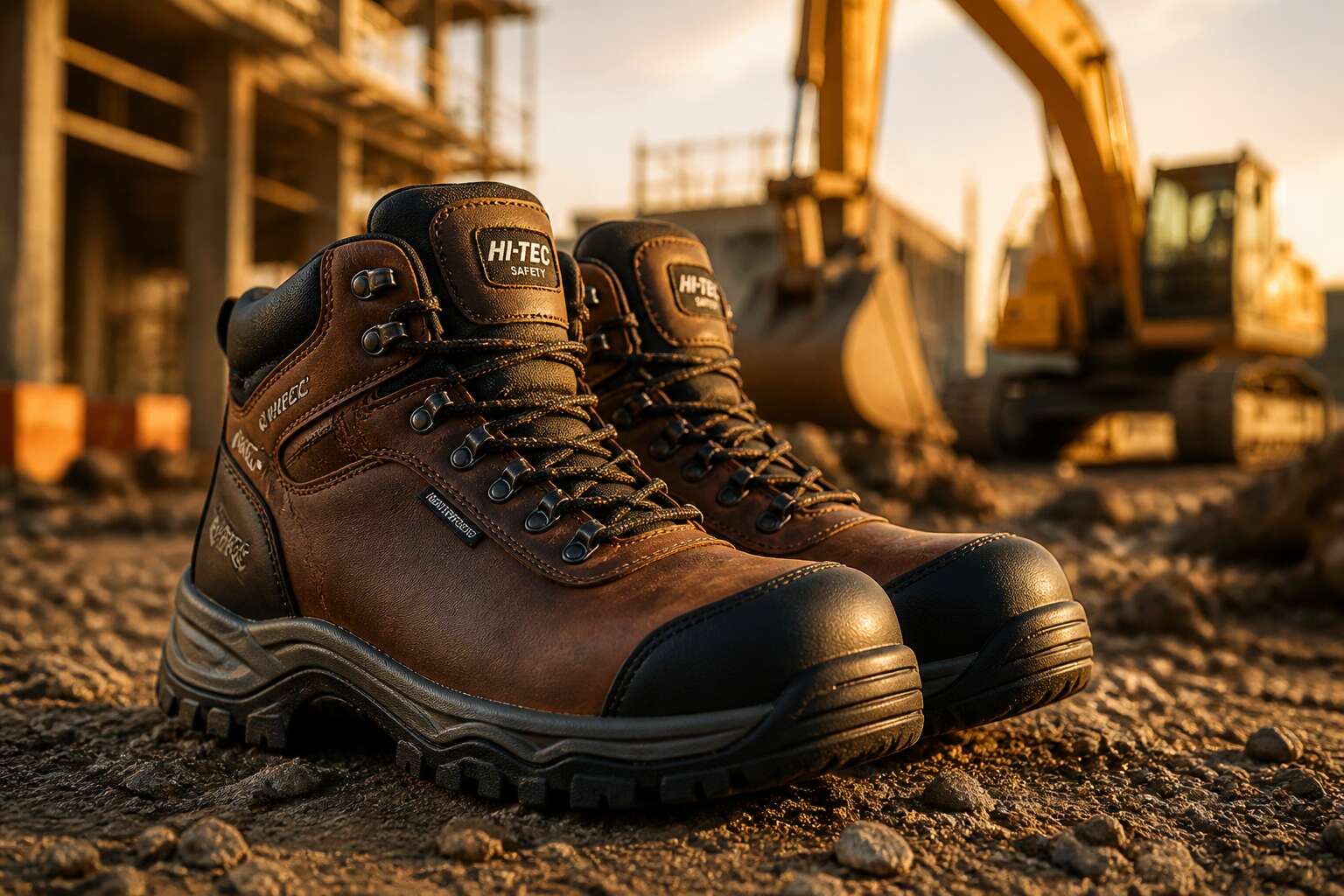
The Evolution of Protective Footwear: How Hi-Tec Made Its Mark
A Brief History of Hi-Tec’s Safety Line
More than 2,000 South African workers suffer serious foot injuries each year. That figure drove a focus on protective design. Early safety boots were heavy reinforced leather, prone to cracking and exhausting the wearer after one shift. The modern safety boots hi tec range uses composite toe caps and elasticised ankle collars, reducing fatigue while maintaining compression resistance.
Hi-Tec entered this field in the 1980s. Company engineers borrowed techniques from athletic footwear, applying shock-absorbing midsoles and breathable mesh liners to safety boots hi tec. I have tested enough work boots to appreciate that level of thought. They reshaped the boot around the human foot instead of forcing the foot into a steel shell.
- Puncture-resistant plates beneath the insole
- Oil and acid resistant outsoles
- Zero metal components for security checkpoints
Long service life became a selling point. Workers found a well-designed pair outlasted three pairs of traditional boots. That reputation spread fast!
Why Hi-Tec Became a Trusted Name in Workplaces
One shift in the wrong boot can send a worker to the clinic. That is the stakes. The evolution of protective footwear began when manufacturers realized durability meant more than thick leather. Safety boots hi tec shifted the focus to how a boot moves with the body, which changed workplace trust forever.
Hi-Tec earned that trust through silence. No loud marketing campaigns. Just boots that returned for second and third orders. Supervisors noticed fewer fatigue complaints and more consistent footwork.
- Boots designed from athletic lasts, not military molds
- Field testing in South African conditions before release
- Direct feedback loops with safety officers
That approach made safety boots hi tec a benchmark. Workers stopped checking the sole after every shift. They simply wore them. Trust came from that consistency.
Innovations That Set Hi-Tec Apart from Other Brands
Most steel toe caps still punish the metatarsal. Hi-Tec treated that as a design failure. The evolution of protective footwear moved from passive armor to active support. Older brands stacked thick leather and called it protection. Hi-Tec borrowed from athletic lasts, then field tested in South African heat. The result was safety boots hi tec with responsive midsoles and toe boxes shaped for natural splay.
What sets them apart?
- Composite toe caps that follow the foot’s actual outline
- Moisture wicking liners built for 40 degree days
- Outsoles that grip wet concrete and loose gravel
These innovations came from direct feedback with safety officers. We saw that on our own floors. Each fix addressed a real failure in the field! That is why Hi-Tec evolved from simple protection to precise tools.
Hi-Tec’s Commitment to Safety Standards and Certifications
The evolution of protective footwear has been gradual but decisive. In the mid twentieth century, certification meant one thing: resistance to impact. That standard still matters, but it no longer tells the whole story of what makes safety boots hi tec relevant in modern workplaces.
Hi-Tec engages with certification bodies and testing protocols beyond the baseline. The SABS mark, EN ISO 20345 compliance, and slip resistance testing under wet conditions all factor into design. A single test pass proves little. Sustained performance across months of daily wear, including the punishing humidity of a Durban plant floor, is the real measure.
- Repeated flex testing across the metatarsal area
- Hydrolysis resistance for outsoles exposed to standing water
- Tensile strength checks on lining materials
That verification process shifts the conversation from paperwork to field conditions, and it is why safety boots hi tec continue to appear on approved supplier lists across South African industry.
Critical Safety Features to Evaluate in Modern Work Boots
Steel-Toe vs. Composite Toe: Which Offers Better Protection?
The heat of a South African factory floor or a dusty mining site tests more than your endurance. It tests the very integrity of your footwear. When assessing modern protective gear, the choice between a steel toe and a composite toe is often the first crossroads. Steel remains the unyielding sentinel, offering brute force resistance against crushing impacts. Yet, it conducts temperature, turning frigid in winter and scorching in summer. Composite toes, crafted from non conductive materials, offer a lighter step and a barrier against electrical hazards.
Evaluating the specific risks of your environment dictates the correct path. Consider these properties when comparing materials:
1. Impact resistance against falling objects.
2. Heat absorption or insulation capabilities.
3. Electrical conductivity and resistance ratings.
4. Overall weight and fatigue during long shifts.
For many technicians working near live circuits, the electrical hazard rating of a composite toe is non negotiable. However, the raw strength of a steel cap provides unmatched confidence around heavy rolling loads. You must weigh the phantom threat of a dropped beam against the daily comfort of a lighter boot. Industrial models from the safety boots hi tec range often address this dilemma with specific engineering, offering a secure fit that does not compromise on either thermal comfort or structural support. The real answer lies not in which material is stronger, but which aligns with the unique phantoms of your daily environment. Ultimately, you are purchasing peace of mind, measured in grams and joules.
Slip Resistance and Grip in Oil, Water, and Ice
Did you know that a common household bathroom floor has a coefficient of friction roughly equivalent to a Zamboni rink? Now imagine that same physics experiment happening under a 20 kilogram toolbox on a factory floor. The science of slip resistance is not about rubber hardness alone. It is about the geometry of the tread, the compound’s interaction with surface tension, and the depth of the channels that divert oil away from your centre of gravity.
When you evaluate safety boots hi tec for hazardous traction, you are looking for a sole that performs a specific balancing act. A softer compound grips dry concrete but becomes a slick sled on oily plates. A harder compound handles gravel but turns into ice skates on wet tile. The manufacturers in this segment employ specific lug patterns with self cleaning properties to shed mud and debris, ensuring contact is never compromised.
Consider the three zones of slip resistance:
1. The heel strike zone, which should have a wider footprint for initial contact stability.
2. The midsole flex point, where angular siping can channel water laterally.
3. The toe-off area, which benefits from a sawtooth pattern for grip during propulsion.
Water and ice present distinct challenges. Water requires displacement; a tread pattern that cannot push water out of the way will simply hydroplane. Ice demands a completely different approach, often relying on micro-textured inserts rather than deep lugs. The engineering of traction in safety boots hi tec models often includes specific oil resistant nitrile rubber compounds that swell less when exposed to petroleum, maintaining their grip over time instead of degrading into a smooth hazard. You are not just buying a boot. You are buying a static friction coefficient that keeps your spine vertical when everything underfoot says otherwise.
Electrical Hazard and Static Dissipative Ratings
An electrical hazard rating tells you the boot can withstand an 18,000 volt exposure without allowing current to pass through. Static dissipative ratings are different. They manage the discharge of static electricity that accumulates from friction on dry floors. Both matter in environments where a single spark could ignite vapours or where accidental contact with live equipment is possible.
Safety boots hi tec models in this category use materials that balance these two properties carefully. A boot that insulates completely would trap static. A boot that conducts too well would defeat the purpose of electrical protection. The engineering relies on controlled resistance, measured in megohms, to keep the wearer safe. When you evaluate safety boots hi tec for your workplace, the rating must match the actual hazard.
Consider these factors when reviewing options:
- Certification standards like ASTM F2413 or SANS 1033.
- The sole compound’s resistance to heat and chemicals.
- Whether the boot is rated for your specific floor surface and equipment.
The right rating depends on the environment you work in, not on general assumptions.
Puncture-Resistant Midsoles for Debris-Heavy Environments
Walking across a construction site littered with rebar and wire is a test of trust. The midsole sits between you and the ground, and in South Africa’s debris-heavy environments, a single missed nail can end a shift. Puncture-resistant midsoles in safety boots hi tec use materials like Kevlar or steel mesh to block penetration, but not all ratings are equal.
When I check safety boots hi tec, I look for the ASTM F2413 puncture rating first. Then I examine the sole’s flexibility and coverage area. Some boots only protect the forefoot. Others extend protection to the heel. The best options do both!
- Check the midsole’s thickness and material
- Verify the protection extends past the ball of the foot
- Confirm the rating matches the debris type you face
Inspect the insole for signs of wear. Debris can exploit weak points. A solid midsole makes the difference.
Ankle Support and Shock Absorption for Long Shifts
The average worker takes over 10,000 steps during a long shift, and each one sends a shockwave through the body. Ankle support and shock absorption are the hidden arbiters of endurance in safety boots hi tec. The ankle collar must grip with purpose, cradling the joint without cutting off circulation. A sloppy heel hold causes friction, which leads to blisters and instability on uneven terrain.
The true test of shock absorption happens on hard concrete. A rigid sole transmits energy straight into the knees and spine, leaving you drained by mid-afternoon. Quality safety boots hi tec use a multi-density midsole that compresses under pressure, then rebounds. This action dissipates the force of each footfall. The insole composition matters as much as the outsole tread. You need a boot that absorbs the impact of a jump from a loader, not just a walk across a flat warehouse floor.
– Examine the heel counter for stiffness; it locks the foot in place.
– Look for a high-cut design that allows full ankle articulation.
– Check the lacing system to ensure it distributes tension evenly.
– Consider the boot’s weight, as heavier designs increase fatigue.
A boot that fails at the ankle forces your calf muscles to overcompensate. This strain climbs up the leg, settling in the lower back after hours of standing. The best designs integrate a padded collar that follows the natural contour of the fibula. This prevents the foot from rolling sideways on loose gravel, a common cause of sprains in South African workplaces. The insole should feel firm, not soft, because excessive cushioning compromises stability. Strike a balance between comfort and ground feel to maintain control over every step.
Selecting the Right Hi-Tec Model for Your Job Demands
Construction and Heavy-Duty Tasks: Rugged Hi-Tec Options
Roughly 40% of construction injuries involve the feet, so picking the right boot is a decision you cannot rush. In heavy-duty environments, you need safety boots hi tec that combine rugged protection with practical comfort. Hi-Tec’s lineup for construction includes reinforced heels and abrasion resistant uppers, built for rocky sites and long hours. Consider these features:
- Outsole lug depth for grip on loose gravel
- A locking lacing system to secure the ankle
- Overall boot weight to keep fatigue in check
These models also offer waterproof leather that resists morning dew without overheating by afternoon. Match each boot to the exact task. A scaffolder needs a different flex than a welder. Test them on your actual work floor before you commit. Your feet will carry you through every shift, so give them gear that carries back.
Warehouse and Logistics: Lightweight Yet Durable Choices
Imagine the constant hum of a warehouse floor, the rhythmic beep of forklifts, and the unforgiving hardness of concrete. Your feet absorb every step of that eight hour shift. This environment demands footwear that moves with you, not against you. You need safety boots hi tec that offer the resilience of a heavy boot without the cumbersome weight that leads to afternoon fatigue. The right pair becomes an extension of your body, allowing you to navigate pallets and machinery with stealth-like agility.
While construction sites require maximum rigidity, the logistics sector prioritizes a different balance. Durability is crucial, but so is the ability to pivot quickly and climb ladders with confidence. Hi-Tec has engineered options that use lightweight composite materials to keep you agile. Look for these specific attributes when choosing your model:
– A cushioned midsole that absorbs shock from hard surfaces without adding excess bulk.
– A padded collar that prevents chafing during constant walking.
– A breathable lining that manages moisture, keeping your feet cool in non-climate controlled spaces.
The traction on these models is designed for smooth, polished floors, offering a grip that feels secure yet allows for smooth sliding movements. The outsoles resist the oils and water that accumulate in loading bays, reducing the hazard of unexpected slips. This is the nuance of warehouse work, where your gear must be as versatile as your job description. The leather used is often tanned to be scuff resistant, surviving the inevitable bumps against trolleys and racking systems. You get a boot that stands up to the daily grind while feeling as responsive as a training shoe, a combination that keeps your performance consistent from the first delivery to the final dispatch.
Oil, Gas, and Mining: Specialty Boots for Extreme Conditions
The transition from a smooth warehouse floor to the shale-strewn terrain of a mining site is a jarring one. Oil and gas platforms add their own hazards, from hydrocarbon spills to high surface heat. Your footwear must act as defensive equipment in these settings.
Hi-Tec builds specialty models that address these extremes. The outsoles withstand petroleum exposure, and the materials resist flame and abrasion. Tread patterns are deeper, designed to grip loose gravel and steel grating with equal certainty.
- Heat-resistant outsoles that handle elevated surface temperatures.
- Certified oil and chemical resistance for hydrocarbon exposure.
- Reinforced stitching that withstands abrasive rock surfaces.
When selecting safety boots hi tec for oil, gas, or mining work, you are choosing a barrier against environmental aggression. A well chosen pair of safety boots hi tec keeps your feet dry, your footing certain, and your shift productive.
Maximizing Comfort and Longevity of Your Safety Footwear
Proper Cleaning Techniques for Leather and Synthetic Materials
Your safety boots hi tec have survived shift after shift in Gauteng’s heat and Cape Town’s rain, yet proper care remains a mystery. Leather demands a two step process: brushing away dry dirt, then wiping with a damp cloth. Saddle soap nourishes the hide, but don’t overdo it. Synthetic materials need a milder touch. Warm water and a drop of dish soap on a microfiber cloth lifts grime without destroying the coating. Never submerge either type in a bucket. Soaking weakens adhesives and causes delamination.
Air dry in a cool, ventilated area. Heat from a dryer cracks uppers and deforms soles. To maximize comfort, replace insoles every six months. Clean laces separately to prevent abrasion.
For a weekly routine:
- Brush off loose debris first
- Wipe with appropriate cleaner
- Condition leather, but not synthetics
Consistent care ensures your safety boots hi tec remain reliable throughout their service life.
The Importance of Regular Insole Replacement
Comfort in your safety boots hi tec doesn’t last on its own. The insoles bear the load first. After months of standing on concrete floors in Johannesburg, the foam compresses. The arch support flattens. What once felt snug now feels hollow. That’s your signal.
Replacing insoles every six months is maintenance, not luxury. The factory insole handles a limited number of impacts. Past that limit, it stops cushioning your knees and lower back. You compensate with posture. Fatigue follows.
- Heel pain after a long shift
- Visible flattening of the arch area
- Odor that persists even after cleaning
Each sign means the foam has given up. A fresh insole restores the fit of your safety boots hi tec. The upper and sole remain sound, so why discard the whole boot when the cushioning is the only part that failed?
How to Store Boots to Prevent Warping and Odor
Most workers never consider what happens to safety boots hi tec after the shift ends. Tossing them in a locker or leaving them in the car boot seems harmless. It is not. Trapped moisture from a long day becomes a breeding ground for bacteria. The leather stiffens. The shape distorts.
Heat accelerates the damage. A hot dashboard or a sunny windowsill dries out the material faster than regular wear. The sole can separate from the upper. The toe cap loses its alignment. You end up with a boot that fits poorly and smells worse.
Proper storage is simple. Let the boots air out in a cool, dry space. Remove the insoles overnight. Keep them away from direct sunlight and heating vents.
1. Use a cedar shoe tree to absorb moisture and hold the shape.
2. Rotate between two pairs if you work six days a week.
3. Store them upright, not crushed under other gear.
The payoff is direct. A boot that keeps its structure supports your foot properly. The sole stays bonded. The lining stays intact. That means your safety boots hi tec last through the full lifespan of the outsole, not just the first few months of wear.
When to Resole vs. Replace Your Hi-Tec Boots
Most boots fail from cumulative neglect, not a dramatic blowout. A worn outsole on your safety boots hi tec can be recrafted, but only when the upper remains sound. Press the leather along the flex point. If deep cracks appear, resoling is pointless. The midsole matters too. Compression changes the footbed geometry, and no new lug can fix that.
A resole runs half the price of a new pair. Yet if the padded collar has collapsed or the internal shank has bent, you merely postpone the inevitable. Replacement wins when structural integrity fails.
Signs replacement beats resoling:
- Heel counter distortion
- Odour that returns after cleaning
- Sole separation that recurs after repair
Workers in hot environments should inspect outsoles monthly. Heat accelerates rubber degradation, and a smooth sole on wet concrete is a liability. Know the difference between wear and failure. Your safety boots hi tec protect you when components work together.
Break-in Period Strategies for New Boots
Forty hours. That is the minimum break-in period I recommend for new safety boots hi tec. Rushing it creates blisters and hotspots. Patience prevents both.
Start with two hour sessions around the house or on light duties. This lets the leather flex gradually. Wear merino wool socks. They reduce friction and handle sweat better than cotton.
Dampen the outside of the boot with warm water and walk until dry. The heat speeds up the moulding process without soaking the lining.
Keep these points in mind:
- Rotate between two pairs if you have them
- Lace fully, from the bottom up
- Stop at the first sign of a hot spot
Your safety boots hi tec should feel snug, never tight. A painful break-in indicates a poor fit, not a boot that needs more suffering.
Seasonal Care: Waterproofing and Temperature Control
Summer in South Africa transforms a worksite into a furnace, and winter brings its own biting chill. Between these extremes, your safety boots hi tec face relentless assault from moisture and temperature shifts. Waterproofing is not a one-time ritual. It is a rhythm. As temperatures climb, leather dries out and cracks. As they drop, trapped sweat turns cold against the skin, accelerating fatigue and undermining focus.
A quality waterproofing wax applied every four to six weeks maintains the membrane’s breathability while sealing out morning dew and afternoon thunderstorms. In winter, switch to a heavier conditioner that locks in natural oils. For summer, favour a lighter spray that allows maximum airflow.
- Treat boots in the evening, allowing absorption overnight.
- Alternate pairs to let moisture evaporate fully.
Your safety boots hi tec should move with the seasons, not against them.

0 Comments