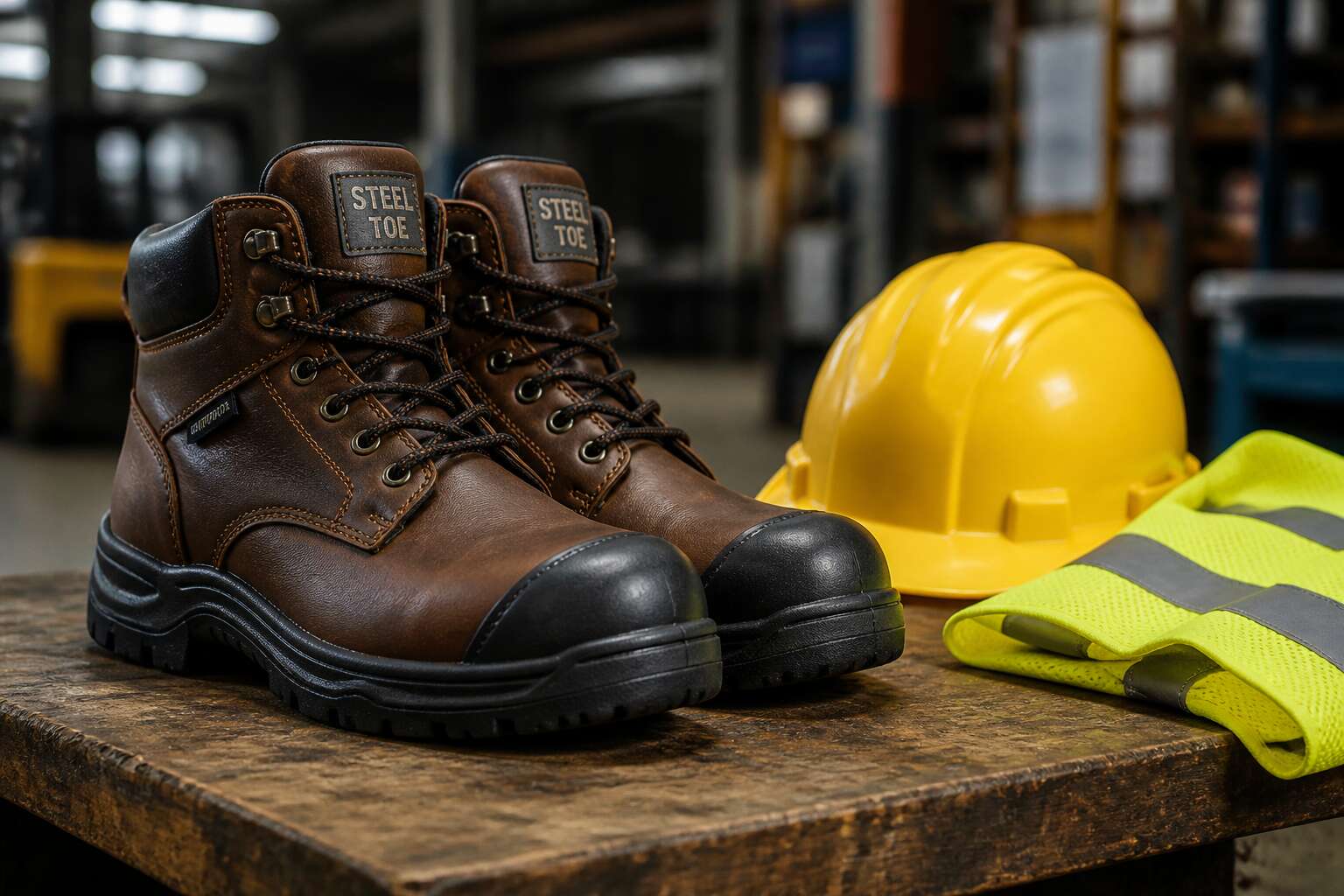
Why Buy Safety Boots at Buco
Trusted Retailer for Workwear
Foot injuries account for nearly one in four workplace accidents in South Africa’s construction sector. That sobering figure explains why choosing the right supplier matters. When I need safety boots at Buco, I trust the stock has passed rigorous quality checks. Buco carries brands like Bova and Safari, built for our demanding conditions.
Their staff understand the difference between light-duty footwear and heavy-industry protection. You can examine sole construction, steel toe reinforcement, and slip resistance before committing. Buco maintains consistent stock across branches, so replacements are straightforward.
Trusted retailer for workwear because they offer:
- Direct relationships with certified manufacturers
- Clear sizing guidance for safety boots at Buco
- Warranty support on structural defects
Every pair meets SABS standards. That is why many safety officers list Buco as their first stop for protective gear.
Quality Brands Available
Nearly 60% of on-site foot injuries involve inadequate footwear. That statistic stays with me every time I walk into a hardware store. When I shop for safety boots at Buco, I am not just grabbing a box off the shelf. I am checking the stitch density on the uppers and the tread pattern on the outsoles. That is why Buco earns my repeat business.
Their range includes Safari and Bova, two names that handle our harsh climate without complaint. You can feel the difference when you flex the soles or test the ankle support. Buco staff let you compare models side by side, which matters when you spend eight hours on your feet. I have bought three pairs over the years, and every one survived the red dust of the Northern Cape.
- Safari offers lightweight comfort for general construction work.
- Bova provides reinforced steel toes for heavy engineering sites.
- Buco stocks replacement insoles and laces in the same aisle.
Those small details make safety boots at Buco a practical choice. The brands suit different terrains, from wet coastal zones to abrasive mining floors. You leave with a pair that fits your actual worksite, not a generic compromise.
Competitive Pricing and Deals
Price haunts every worksite decision. Even the finest leather fails to protect if the cost pushes you toward a flimsy substitute. Buco understands this arithmetic. Their pricing on safety boots at Buco stays honest, with visible tags and periodic clearances that reward patience.
Competitive pricing matters, but the deals hold equal importance. I have walked past other shops, only to return when Buco runs seasonal specials on bulk orders.
- Staff mark down last season’s stock, yet the steel toe remains intact.
- Loyalty discounts surface for regular buyers.
- Bundle pricing on socks and boot care soften the bill.
You pay for function, not vanity. The register reflects the same quality that survives the Northern Cape dust.
Expert Advice In-Store
A safety officer once told me the best boot is the one you forget you are wearing. That wisdom comes from years of watching workers limp home. Buco staff bring that same eye to the fitting counter.
They ask about your terrain, shift length, and foot history before you try anything. Instead of grabbing the first box, they measure your instep, check toe room, and press the steel cap for pressure points. Their advice separates a good boot from a painful one.
Here is what they examine in-store:
- Heel slip during a test walk
- Flex point alignment with your arch
- Ankle collar pressure against the bone
When you buy safety boots at Buco, that fitting experience matters as much as the leather!
Types of Safety Boots Available at Buco
Leather Safety Boots
The morning light catches the scuffs and scratches on a well worn boot, each mark a small testament to a day’s work. It is a particular kind of dignity found in footwear that has stood firm against the grit of a construction site or the heat of a workshop. When you start looking for safety boots at Buco, the options can feel as varied as the trades themselves, but the true heart of the selection lies in the leather.
Full grain leather is the stalwart choice here, prized for its ability to develop a rich patina while repelling water and abrasions. This material forms a protective second skin that moulds to the foot over time. You will also find the nubuck and suede variations, which offer a softer feel and a more refined aesthetic for those who prefer a lighter boot that still provides reliable protection. Each pair promises a distinct character, built to endure the chaos of the job site without sacrificing an ounce of style.
The true artistry, however, is in the construction. Many of these leather boots feature a robust protective toe cap, ensuring that impact from falling objects is met with unyielding resistance. The quality of the stitching and the sole attachment determines the lifespan of the boot. A good leather safety boot is not just a tool; it is a partner in the daily grind. It carries you through the long hours and brings you home safe, its silent strength becoming a part of your own.
Lightweight Composite Toe Options
The heaviest part of your boot is not always the toughest. Composite toe options at Buco prove that point with every step. These boots use reinforced polymers and carbon fibre instead of steel, cutting weight while maintaining the same impact and compression ratings. The materials resist temperature extremes too, a bonus in Durban’s humidity.
The payoff appears in your legs and lower back after a long shift. Less swinging weight with each stride means less fatigue. For electricians, the non conductive materials add safety around live circuits.
- Lower weight reduces leg fatigue over the workday
- Non metallic composition suits electrical environments
- Flexible toe box allows natural foot movement
When I try on safety boots at Buco, the composite toe feels different from steel right away. The boot moves with your foot from the first wear, so the break in period passes quickly. What a difference that makes by Friday afternoon!
Waterproof and Weatherproof Boots
Durban weather shifts without warning. One hour of sun, then rain arrives without notice. Waterproof boots at Buco handle the unpredictability. The membranes block moisture from outside while allowing heat and sweat to escape from within. Your feet stay dry in both directions.
The construction goes deeper than the upper. The best weatherproof models include:
- Sealed seams that stop water at the stitch lines
- Breathable linings that prevent heat buildup
- High traction outsoles designed for wet concrete
Treated leather repels moisture while staying flexible. The grip holds on slick surfaces when rain turns a worksite into a hazard. There is something uncanny about it. Standing ankle deep in runoff, your socks stay bone dry. That is the difference between surviving the weather and working through it. When you find safety boots at Buco with proper waterproofing, you stop checking the sky before every step.
Electric Hazard Protection
In electrical work, the ground under your feet is where most accidents begin. That is why electric hazard protection ranks among the essential types of safety boots at Buco. These boots use non-conductive materials in the outsoles and heels to stop current from passing through your body when you step on a live source.
The range covers different levels of protection. Some models meet ASTM standards for electrical hazard resistance. Others pair the electric hazard rating with composite toe caps for workers who need both. What to check on the label:
- Non-conductive outsole and heel material
- An EH rating that matches your work environment
- Undamaged soles, since cracks break the protective barrier
The safety boots at Buco for electric hazard work are built for real sites, not just for ticking a compliance box. They hold up when the voltage is live and the conditions are rough.
Insulated and Cold-Weather Boots
Workers standing still on frozen ground lose body heat faster than they expect. Insulated and cold-weather models from the safety boots at Buco range address that problem directly. These boots trap warmth without sacrificing the protection you need on site.
The insulation sits between the outer shell and the lining, preventing cold from radiating upward from concrete or steel surfaces. The tread pattern also matters in these conditions, since frost creates a thin film of water underfoot that reduces traction.
- Insulation rated in grams per square metre
- A waterproof membrane, since dampness accelerates heat loss
- A shaft height that covers the ankle against wind and frost
Cold weather changes how materials behave. Rubber stiffens, and soles lose their flexibility. The safety boots at Buco built for low temperatures use compounds that stay pliable, which means you keep your grip and your footing. That is what separates a work boot from a winter boot that only looks the part.
Key Safety Features to Look For
Steel Toe vs Composite Toe
The choice between steel toe and composite toe hinges on more than impact resistance. Steel conducts cold and heat, while composite leaves you lighter on your feet for long shifts. Neither option is inherently superior, the right call depends on your environment!
- Steel toe caps handle heavier impacts but add weight.
- Composite toe caps are non conductive and lighter.
- Both meet SABS standards when sourced properly.
When you explore safety boots at buco, remember that the toe cap is just one layer. The outsole’s grip, the stitch density, and the heel counter all determine real world protection. Your feet carry you through twelve hour days, so match the boot to the hazard, not the hype.
Slip-Resistant Outsoles
Slips send thousands of South African workers to hospital every year. Most of those accidents happen on floors that looked dry but weren’t. Slip resistant outsoles are the only thing standing between you and that surprise.
The rubber compound defines the grip. Soft compounds bite into smooth surfaces. Hard compounds resist abrasion on rough terrain. Tread depth matters, but channel shape decides how water escapes. A shallow tread clogged with mud becomes a skateboard.
When you inspect safety boots at buco, check these outsole features:
– Multi directional lugs that shed debris
– A heel grabber for sudden stops
– Oil resistant rubber, clearly marked
SABS approved pairs at buco are tested for slip resistance. Those lab results matter, but your floor has its own agenda. No boot outsole works everywhere, and the surface you stand on decides which pattern earns its keep.
Puncture-Resistant Midsoles
Underneath the outsole, nails and wire wait. Construction sites and scrap yards across South Africa hide these hazards in plain sight. One misplaced step can drive a nail through a standard boot sole and into the foot. That is why puncture resistant midsoles matter.
These midsoles are rigid plates, usually steel or composite, sandwiched between the outsole and insole. They stop sharp objects before they reach you. The plate must flex with your stride, but stay stiff enough to resist penetration.
When you examine safety boots at buco, check for SABS approved puncture ratings. Ask whether the plate covers the full footbed, not just the forefoot. Some safety boots at buco have the rating stamped directly on the sole.
Some materials to know:
- Steel plates: maximum protection, heavier weight
- Composite plates: lighter, non conductive, no metal detection alarms
- Fabric based: flexible, but less impact resistant
A boot that resists nail penetration prevents a serious foot injury.
Ankle Support and Cushioning
Your ankle is a complex mechanism of bones and ligaments. It endures constant abuse on uneven terrain. A boot with proper ankle support reduces the strain. Look for padded collars and reinforced heel counters.
Cushioning matters just as much. Hard concrete punishes the feet over a long shift. The midsole absorbs energy and reduces fatigue. Some boots include memory foam insoles, some use polyurethane. Try them on.
- Padded collar height
- Heel stabiliser stiffness
- Insole shock absorption
- Arch support
When you look at safety boots at buco, squeeze the ankle area. It should feel firm, not floppy. Walk around the store. Safety boots at buco with good cushioning feel solid from the first step.
Breathable and Moisture-Wicking Linings
Each foot contains roughly 125,000 sweat glands. When sweat accumulates inside a sealed boot, the result is discomfort, odour, and eventually skin breakdown. Breathable linings allow air to circulate while wicking perspiration away from the skin.
Modern safety boots at buco use materials like mesh and moisture-wicking textiles. These fabrics pull sweat to the outer surface where it can evaporate. A boot that manages moisture keeps your feet drier during a long shift and reduces the risk of blisters and fungal infections.
Linings that dry quickly and resist bacteria growth make a measurable difference. Some boots include antimicrobial treatments that neutralise odour at the source. The contrast between poor airflow and proper ventilation becomes obvious after hours of wear.
Metatarsal Guards
The metatarsal bones run along the top of your foot, and they remain exposed when a standard toe cap does its job. A falling object can strike this area with enough force to fracture small bones. Metatarsal guards extend protection further back along the foot. Safety boots at buco with this feature use a reinforced shield, often moulded into the upper or fitted as an internal plate. This matters for workers who spend shifts in these conditions:
- loading or unloading heavy stock
- operating pallet jacks and forklifts
- working in tight engine bays or trenches
The guard absorbs impact and spreads the force across a wider surface. Some designs integrate the guard with the toe cap for continuous coverage, while others use a removable insert. The choice depends on the specific hazards present on your site.
How to Choose the Right Safety Boots at Buco
Assessing Your Workplace Hazards
The most overlooked step in buying footwear is the hazard assessment. For many South African workers, that oversight turns a simple purchase into a painful mistake. I have stood with customers who could not explain what their feet actually face each shift. That knowledge gap decides whether you leave with a boot or with a misplaced sense of safety.
Walk your workspace with a deliberate eye before you consider any safety boots at Buco. Trace your entire route from morning to evening. Note where you step, what you carry, and how long you stand. A warehouse floor, a construction trench, and a processing plant each produce distinct demands. Your daily reality is the only valid starting point.
- Frequency of each hazard in a typical shift
- Potential force or severity of an incident
- Seasonal or shift based environmental changes
- Surfaces, obstructions, and moving machinery
This inventory converts vague worry into concrete requirements. Only then does the selection of safety boots at Buco become a precise decision. The correct pair responds to a mapped threat, not a generic guess.
Getting the Perfect Fit
A perfect fit means more than picking a number off the shelf. Safety boots at Buco that fit poorly cause blisters, fatigue, and worse, they compromise your footing. Your foot changes shape through a shift, so measure at the end of the day, not in the morning.
When you try on safety boots at Buco, wear the exact socks you wear on site. Lace them fully and walk on a sloped surface if possible.
- Check for a thumb’s width between your longest toe and the boot’s end.
- Ensure your heel stays locked with minimal slip when you walk.
- Confirm the widest part of your foot sits comfortably in the boot’s widest part.
Give yourself time to walk around the store. A boot that feels snug now will feel tighter after hours of standing, so trust that initial pressure rather than hoping it will stretch away.
Understanding Safety Ratings and Standards
When you inspect a pair of safety boots at Buco, look for the small printed mark on the tongue or lining. That mark is a test result, not decoration. In South Africa, the SABS approval and the EN ISO 20345 standard establish the baseline. They measure impact resistance, compression strength, and energy absorption under controlled conditions. A rating of 200 joules means the toe cap withstood that specific force.
Ratings carry specific meanings:
- S1 offers impact protection and antistatic properties.
- S2 adds water resistance.
- S3 includes a puncture-resistant midsole.
Each step changes the protection profile. These ratings let you compare boots on facts, not marketing language. Safety boots at Buco include this information clearly, so you can match the standard to your working environment. Trust the printed numbers.
Budgeting for Your Boots
Choosing safety boots at Buco begins with a practical assessment of your daily movements. Do you squat, climb ladders, or stand on hard concrete for eight hours? Your answers determine which sole compound and ankle support make sense for your body. The most advanced boot on the shelf is worthless if it doesn’t match your stride.
Budgeting forces a trade between upfront price and long-term comfort. A cheaper boot may seem tempting, but breakdown after six months raises the cost per day. Inspect the outsole thickness and the way the upper attaches to the sole. Those details predict lifespan more reliably than the brand name.
- Replacement insole costs are often overlooked when comparing models
- Warranty terms reveal a lot about the expected wear cycle
When you budget for safety boots at Buco, remember that your feet carry your entire body weight. Allocating a little more for arch support reduces daily fatigue and keeps you productive on the job.
Caring for Your Safety Boots from Buco
Cleaning and Conditioning Leather
According to a footwear study, regular conditioning can extend the lifespan of leather safety boots at buco by nearly double. A pair of leather safety boots at buco takes punishment from dust, mud, and the unforgiving South African sun. Leather is a porous material. It breathes, it absorbs, and it loses moisture. Cleaning off the filth matters, but conditioning is the restorative step. It returns the natural oils that keep the leather supple and the boot’s structure intact. I have seen boots crack after a single dry winter. I have seen a neglected pair fail within a year.
Before you reach for saddle soap, understand the sequence for looking after safety boots at buco:
- Remove laces and knock off loose debris.
- Wash with a damp cloth and mild saddle soap.
- Let them dry naturally, away from direct heat.
- Apply conditioner with fingers or a soft rag.
Replacing Worn Soles
The outsole fails first. I have seen tread patterns vanish within eight months on rough terrain. A smooth sole turns a boot into a hazard! The polyurethane midsole breaks down too, even when the upper looks immaculate. Hydrolysis attacks the bond between sole and welt without visible warning.
Signs that you need to resole your safety boots at buco:
- The tread depth has dropped below 2mm in the heel strike zone
- You feel every pebble through the sole during a normal shift
- The edge of the sole shows cracks that flex open when you bend the boot
Ignore these indicators and you compromise your footing. A resole costs a fraction of a new pair. Take your safety boots at buco to a cobbler who understands safety footwear. They will strip the old sole, inspect the welt stitching, and bond a fresh outsole with the correct adhesive. That process restores the slip resistance and preserves the upper that has already moulded to your foot.
Proper Storage Tips
Where you store your safety boots at buco dictates how long they last. Heat and humidity damage the sole adhesives and deform the toe structure. Keep them away from radiators, direct sunlight, and closed car boots. A dark, ventilated cupboard is ideal.
For long weekends or rotation periods, use this ritual:
- Stuff the toes with crumpled newspaper to absorb moisture.
- Place them upright on a wooden rack, never flat or crushed.
- Leave the laces loose to relieve tension on the eyelets.
Let your boots dry fully before storing. Trapped sweat degrades the lining and creates odours that no spray can mask. A second pair allows proper rest, which is why many professionals rotate. Storage directly affects the lifespan of your boots.
Knowing When to Retire Your Boots
Even with diligent care, every pair of safety boots at Buco has a finite working life. The uppers might look acceptable while the sole has lost its grip. Press your thumb into the tread. If the rubber feels hard and unyielding, the boot can no longer provide the slip resistance your workplace demands.
Watch for internal wear as well. Once the heel counter collapses or the cushioning compresses to a thin layer, the shock absorption is gone. Your knees and lower back will feel the difference by mid-afternoon.
Check for:
- Cracks in the leather or synthetic uppers that expose your feet to moisture.
- Loose stitching around the toe cap that compromises impact protection.
- Deformed toe structure after a heavy impact.
Retiring a pair of boots before failure is not wasteful. It is the difference between finishing your shift comfortably and nursing injuries that linger for years.

0 Comments