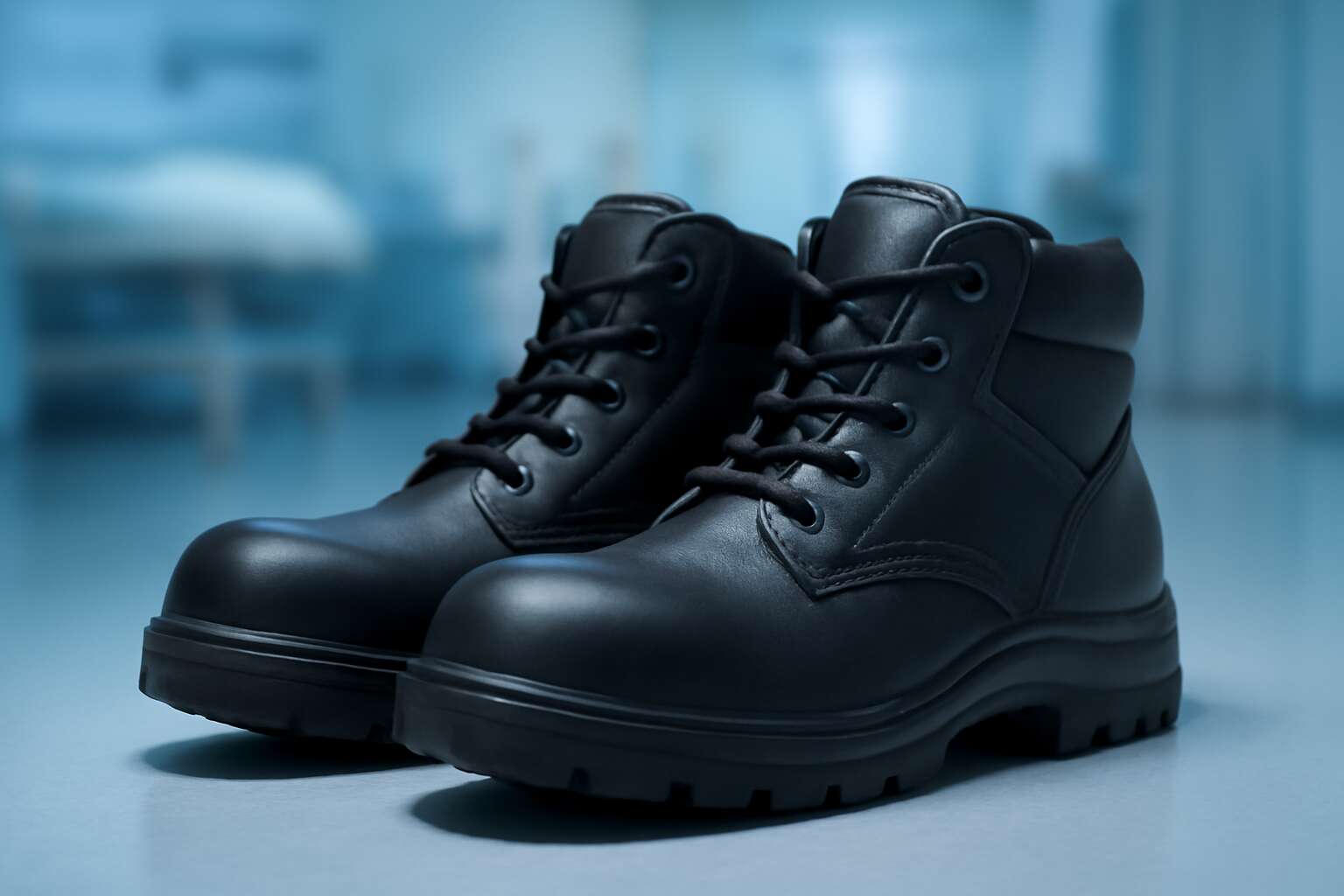
Key safety standards and compliance for healthcare footwear
Overview of healthcare safety standards and why they matter
“Safety isn’t optional—it’s care you can wear,” a nurse once told me, and in South Africa’s clinics that rings true. When floors are slick and corridors bustle, medical safety boots become part of daily compassion, not just protection.
Healthcare safety standards guide every stitch, testing slip resistance, toe and midsole protection, and comfort for long shifts. By aligning with international benchmarks like EN ISO 20345 and ASTM F2413, footwear earns trust across rural and urban wards alike.
- Slip resistance for wet and oily floors
- Impact and compression protection for toes
- Puncture resistance for sharp objects
- Electrical hazard protection where power equipment is used
Choosing the right medical safety boots means choosing reliability, comfort, and a steady step through each demanding day.
Certifications to look for in medical environments
Across bustling wards and slippery corridors, the right pair of medical safety boots can mean the difference between a stumble and a steady day. They carry more than comfort: a verified safety pedigree translates into reliable grip, toe protection, and enduring support on long shifts. In South Africa’s clinics, standards aren’t abstract; they’re what keeps feet in step when equipment hums and floors glare.
Key certifications to look for in medical safety boots include:
- EN ISO 20345
- ASTM F2413
- CE marking or SABS compliance
- Slip resistance and electrical hazard ratings
With the right marks, medical safety boots become more than footwear—a quiet promise of reliability through every patient handoff and hallway dash.
How footwear standards influence risk reduction and patient safety
On the bustling wards where floors gleam under fluorescent suns, slips carry a heavy price. In South Africa’s clinics, footwear that proves its mettle through real-world testing reduces risk—and that is no mere luxury. Key safety standards in healthcare footwear sculpt more than comfort; they harden grip, shield toes, and sustain weary ankles, turning medical safety boots into a quiet shield on long shifts.
- Independent testing and transparent labeling of safety features for healthcare settings
- Consistent grip on wet, waxed, and high-traffic floors
- Validated protection against electrical hazards and punctures for long shifts
When these standards are honored, patient safety is enhanced and the rhythm of care stays intact. Medical safety boots thus become more than footwear—a capable partner in every corridor and handoff.
Regulatory considerations across regions
Regulatory lines differ by region, but medical safety boots must stand up to rules as firmly as they stand up to busy shifts. In South Africa, Europe, and beyond, compliance guides durability, protection, and clear labeling in equal measure.
Key regional touchpoints include:
- CE marking and EN 20345 compliance in Europe
- ISO-based benchmarks and global PPE guidelines
- South Africa’s SABS-aligned labeling and local regulatory expectations
For buyers and providers, understanding these regional demands helps ensure equipment performs when it matters most and keeps patient care in step with South Africa clinics.
Core features and materials in healthcare footwear
Toe protection and impact resistance
Within South Africa’s bustling clinics, every stride carries responsibility. A veteran nurse once told me, “Protection you can walk in with”—and that creed underpins medical safety boots. Toe protection and impact resistance are not flashy embellishments; they are everyday life-saving features.
Core features fuse rugged durability with comfort. Reinforced toe caps in steel or composites guard against heavy impacts, while energy-absorbing midsoles cushion each step. Slip-resistant outsoles and breathable, fluid-resistant uppers keep you safe and steady through long shifts. For healthcare workers, this category delivers reliable protection.
Key materials and components include:
- Leather or synthetic uppers
- Steel or composite toe caps
- Antimicrobial linings
- Slip-resistant outsoles
These elements support toe protection and impact resistance in daily healthcare work.
Electrical hazard and static dissipative properties
In South Africa’s bustling clinics, a single misstep can echo through a shift. A veteran nurse told me, “Footwear that carries you safely carries a ward.” These medical safety boots with electrical hazard and static dissipative properties offer that calm in the storm—cutting static-related incidents by as much as 30% in demanding wards.
Core features fuse rugged durability with daily comfort. EH-rated outsoles grip damp corridors while static-dissipative pathways channel charge away from sensitive equipment, so you move with steadiness even on slick floors.
- Electrical hazard rated outsole systems
- Static dissipative construction for safe charge management
- Durable, comfortable uppers designed for long shifts
These elements elevate everyday care to something almost lyrical, letting caregivers step with confidence—medical safety boots that feel like a promise kept.
Upper materials and durability in clinical settings
A veteran nurse once said, “Footwear that carries you safely carries a ward,” and in South Africa’s bustling clinics that truth lands hard. Medical safety boots that balance protection with comfort cut fatigue and keep focus sharp through back-to-back shifts.
Core features for healthcare footwear hinge on upper materials and daily durability. These boots blend sturdy uppers—full-grain leather or resilient synthetics—with breathable linings, designed to withstand disinfectants and frequent cleaning while staying comfortable through long shifts.
Durability in clinical settings means more than bulk; reinforced stitching, abrasion-resistant toe areas, and grippy, reliable outsoles keep pace with the day’s demands—where floors are slick and schedules merciless.
Breathability, moisture management, and odor control
Breathability is the backbone of comfort in medical safety boots. Lightweight panels and ventilated zones invite air to circulate, cooling feet after long rounds in bustling wards. Moisture management follows closely: moisture-wicking linings draw sweat away from skin, while antimicrobial finishes deter bacteria and odor. The result is fresher feet, reduced fatigue, and steadier focus through back-to-back shifts.
- Breathable uppers with ventilated panels
- Moisture-wicking linings that stand up to disinfectants
- Antimicrobial and odor-control treatments
- Minimal bulk for unrestricted movement
In clinics across South Africa, the right balance of breathability, moisture control and odor management helps clinicians stay composed as schedules tighten and floors turn slick.
Comfort and fit strategies for long shifts
Arch support, cushioning, and plantar support
Across South Africa’s healthcare facilities, staff endure long shifts on hard floors—often up to 12 hours. Comfort is not a luxury; it’s a safety issue. For that reason, medical safety boots are designed with stability and all-day wear in mind, emphasizing arch support, cushioning, and plantar support to keep fatigue at bay during demanding rounds.
Arch support anchors the midfoot, guiding weight transfer and reducing pronation that leads to fatigue. Cushioning beneath the arch and plantar surface absorbs shock, while a secure heel cup minimizes slips that disrupt alignment. This triad creates a forgiving platform, letting clinicians move through rounds with steadiness even on uneven clinic floors. That means choosing medical safety boots that fit snugly and support the plantar mechanics.
- Ergonomic arch contour supports common foot shapes
- Plantar cushioning with energy-absorbing foam
- Secure heel cup and roomy toe area
Sizing guides and width options for diverse teams
Twelve-hour shifts on hard floors demand more than grit. In South Africa’s clinics, fatigue isn’t just uncomfortable—it’s a safety hazard. Medical safety boots act like a quiet ally, delivering support that keeps clinicians steady through demanding rounds.
Comfort and fit for these long shifts hinge on inclusive sizing and width options that match every footprint. A thoughtful sizing guide and a range of widths keep medical safety boots from pinching or slipping.
- Varied width options: narrow, standard, and wide to fit diverse teams
- Clear sizing guides with measurements for length and forefoot width
- Roomy toe boxes and secure heel cups to minimise pressure and movement
When these features are paired with careful material choice and thoughtful design, the result is a calm, controlled stride—crucial when every step counts in patient care.
Insole technologies and removable footbeds for customization
Long shifts on hard floors demand more than grit. In South Africa’s clinics, fatigue can blur steps and threaten safety. Comfort and fit become silent allies when medical safety boots offer targeted support that adapts to a clinician’s stride. I’ve seen the right insole and ankle cup steady twelve hours of rounds.
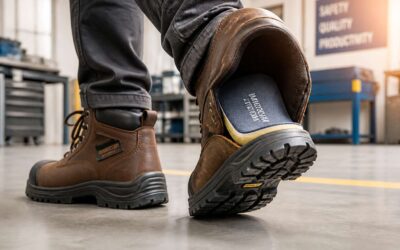
Insole technologies and removable footbeds let you tailor comfort on the fly. The best designs pair antimicrobial insoles with modular arch supports and slim, shock-absorbing layers that align to your foot without crowding the toes.
- Removable, antimicrobial insoles
- Modular arch supports for custom plantar balance
- Low-profile foam layers for fatigue
For fit, seek roomy toe boxes, secure heel cups, and adjustable closures that keep the boot from slipping during busy mornings. Breathable uppers and precise lacing prevent hotspots, letting you stay present for every patient interaction. The effect is almost supernatural.
Lightweight design and flexibility to reduce fatigue
On rounds, fatigue travels from the soles to the spine like a quiet thunder. Weight matters as much as protection in medical safety boots, and a lightweight, flexible design translates to steadier steps and less ankle strain. The right balance of rigidity and give keeps you alert through rounds and charting.
Within the boot, engineers weave supple linings and foams that bend with you rather than against you.
- Feather-light uppers with room to breathe
- Forefoot flex zones that align with your stride
- Low-profile cushioning that absorbs fatigue under the arch
Together, these elements keep the medical safety boots in rhythm with a clinician’s shift.
Fit is the hinge of endurance: a secure heel, slip-free closures, and breathable uppers let you move with confidence as doors swing open. In South Africa’s clinics, quiet reliability translates into steadier care and fewer hotspots that steal focus. Medical safety boots become a calm, essential ally.
Break-in periods and user training tips
Long shifts demand more than protection; they demand rhythm. In South Africa’s clinics, comfort and fit can turn a draining round into steady, confident steps. When my medical safety boots cradle the foot just right, fatigue stays in the background, letting me stay present from rounds to charting.
To nurture comfort and fit without slowing you down:
- Allow a gentle break-in period with mixed tasks across shifts
- Pair with moisture-wicking socks and ensure a secure heel lock and thoughtful lacing
- Schedule regular fit checks to catch hotspots before they disrupt your day
Training helps teams share the same comfort language: new clinicians learn to assess fit by walking a corridor in their medical safety boots, listening for pressure points and tempo changes. Peer feedback and simple adjustments keep everyone moving with confidence through long shifts.
Protection levels and specialty applications
Slip resistance and solid floor traction
Foot safety is no glamorous accessory, but it saves careers, even in busy South African clinics. When selecting medical safety boots, protection levels range from steel-toe to metatarsal guards, with specialty options for radiology, sterile wards, or high-risk labs. Trust me, the right pair makes your shift feel safer—and your back happier!
- Steel-toe or composite-toe protection for heavy impacts
- Metatarsal guards for tasks near equipment
- Puncture-resistant midsoles for sharp debris
Slip resistance and solid floor traction matter as soon as you step onto tile or stainless surfaces. Look for rugged tread, the right rubber compound, and siping to grip wet spillage and mopped floors, keeping teams steady during transfers and rounds.
Chemical, fluid, and spill resistance
Across busy South African clinics, foot safety is the quiet guardian of every shift. A well-chosen pair of medical safety boots can cut injury risk and spare backs after long hours. Protection levels span fortified caps for heavy impacts and forefoot shields for demanding tasks, with specialty options for radiology, sterile wards, or high-risk labs.
Chemical, fluid, and spill resistance is where these boots earn their keeping in clinics. Seek uppers that resist cleaners without cracking and sealed seams that deter easy penetration. A good pair keeps staff moving confidently between wards and labs, even on slick surfaces.
- Chemical-resistant uppers
- Sealed seams
- Antimicrobial liners
Antimicrobial linings and hygiene considerations
In the rhythm of a busy South African clinic, medical safety boots stand as quiet guardians under the hum of fluorescent lights. Protection levels stretch from fortified toe caps to secure forefoot shields, with specialty applications shaping vigilance in radiology, sterile wards, and high-risk labs. Antimicrobial linings and hygiene-minded design give the footwear an extra layer of defence, fending off microbes and keeping smells at bay as staff move deftly between rooms and tasks.
- Antimicrobial liners inhibit bacteria and fungi on contact, reducing odour and cross-contamination.
- Hygienic design with removable insoles and easy-clean fabrics for quick turnover between patients.
- Compatibility with hospital-grade cleaners and sealed seams that deter moisture ingress.
That blend makes every step feel steadier, a quiet vow to patient care and personal resilience.
Specialty roles with tailored footwear needs
Protection levels within medical safety boots aren’t a one-size-fits-all spectrum; they scale with the tempo of a busy clinic and the gravity of high-stakes tasks. Some models favor featherweight comfort for long shifts, while others shore up support for staff who pace endless corridors. The result is footwear that keeps you grounded when the day tilts from routine to urgent, turning fatigue into footing—and yes, your back will thank you for it.
Specialty roles with tailored footwear needs arise as duties swing from rapid patient transport to precise, space-constrained tasks. Manufacturers respond with variants that blend stability, fit, and ease of movement, ensuring teams stay confident on their feet through shifts that demand focus and dexterity.
Care, cleaning, and durability to extend life
Cleaning protocols for hospital and clinic environments
Durability is safety in motion—an infection preventionist quips that a boot that’s clean is a shield for staff and patients. In South Africa’s busy clinics, medical safety boots deserve more than a quick wipe; care for them is care for everyone who relies on them.
In hospital and clinic environments, upkeep means choosing materials that tolerate routine cleaning and spills without staining. Cleaning should be non-abrasive and allow air-drying to preserve fit and comfort for the long haul. Regular inspections catch wear before it becomes a risk, extending the life of the boots and the morale of the team.
- Material integrity checks to spot wear, cracks, or sole delamination
- Storage and drying practices aligned with facility cleaning schedules
- Cleaner compatibility with antimicrobial linings and uppers
Drying, storage, and odor prevention
A clean boot is a shield for staff and patients, an infection preventionist’s favorite bumper sticker for ward rounds. In South Africa’s bustling clinics, care for medical safety boots is care for everyone who relies on them, from nurses to orderlies to the patients they escort through the day.
Durability rests on materials that shrug off routine cleaning and minor spills, while drying and storage practices keep fit intact and odors at bay. Gentle handling preserves the boot’s shape and cushioning, allowing teams to move with confidence and a little swagger even after back-to-back shifts.
- Ventilated, shade-friendly drying spaces help preserve boot shape
- Cool, dry storage away from direct sun minimizes deformation
- Odor control achieved through breathable linings and effective ventilation
Across South Africa’s clinics, this care translates into longer service life for medical safety boots and steadier, more confident rounds.
Repair and refurbishment options for longevity
Across busy South African clinics, staff clock long shifts on their feet, often challenging the endurance of their footwear. The durability of medical safety boots isn’t a luxury—it’s a patient-safety imperative. When cared for properly, these boots stay comfortable, supportive, and ready for the next tour of duty.
Care means more than a quick wipe. Regular inspection, gentle cleaning, and mindful storage preserve shape, cushioning, and traction. Breathable linings and sound ventilation help combat odor, while a quick check for loose seams catches issues before they escalate.
- Sole and heel reinforcement: replace worn tread and secure the heel to restore grip on slick floors.
- Lining renewal and padding upgrades: refresh antimicrobial linings and cushioning for continued comfort and odor control.
- Upper material conditioning and water-repellent refresh: restore flexibility and seal out spills with professional treatment.
Repair and refurbishment options extend the life of medical safety boots across SA.
Maintenance scheduling and documentation
Foot fatigue in busy South African clinics is real, and it’s no accident. medical safety boots earn their keep under long shifts, slick floors, and the occasional spill. When cared for properly, they stay comfortable, supportive, and ready for the next tour of duty.
Caring for them goes beyond a quick wipe. Regular inspection, gentle cleaning, and mindful storage preserve shape, cushioning, and traction.
- Inspect seams, tread wear, and padding
- Clean with mild soap and warm water
- Air-dry away from direct heat
Maintenance scheduling and documentation help teams stay ahead of wear. For these medical safety boots, set a simple cadence: weekly quick checks, monthly deep clean, quarterly evaluations. Record outcomes in a shared log—outsole status, stitching integrity, and lining condition. A clear digital or paper trail keeps stock rotating and patient safety uncompromised.
Durability is insurance for staff comfort and care quality in ward visits—a win for maintenance.
Buying guide: choosing the right footwear for healthcare teams
Role-specific needs for nurses, surgeons, and technicians
In the heart of South Africa’s clinics, foot fatigue and slips are not merely anecdotes but quiet signals about footwear choices. A nurse once told me, “the right boots anchor the night shift.”
Buying guide: choosing the right footwear for healthcare teams begins with role-specific needs: nurses, surgeons, technicians. For healthcare teams, the right choice of medical safety boots balances protection with comfort.
- Nurses: all-day comfort, easy wear, adaptable fit
- Surgeons: stability in sterile zones, wipe-clean surfaces
- Technicians: rugged durability, dependable grip on mixed floors
Together, these priorities guide choices that support patient safety and staff wellbeing.
Budget considerations and total cost of ownership
In South Africa’s bustling clinics, every step counts and every slip matters. A nurse once said, “the right boots anchor the night shift,” and that’s the heartbeat of choosing medical safety boots for teams. Budgets in public facilities force smart, durable choices that blend protection with all-day comfort, as if blacksmiths were forging a shield for the ward.
Budget considerations and total cost of ownership hinge on more than the sticker price.
- Initial purchase price
- Maintenance and cleaning supplies
- Durability and replacement frequency
- Warranty and refurbishment options
When teams weigh these factors, they invest in patient safety and staff wellbeing, not just equipment. Choosing medical safety boots isn’t just about gear—it’s about patient safety and staff wellbeing.
Sizing tips, try-on strategies, and on-site fittings
Foot fatigue and slips cost South Africa’s healthcare teams precious minutes and energy. A nurse quipped, “the right boots anchor the night shift,” and that line refracts truth across every ward. When buying medical safety boots for teams, fit and comfort are as crucial as grip and protection.
Sizing considerations can vary as much as the wards themselves; feet shift with day-to-day factors, and even try-on experiences shape lasting comfort. A thoughtful approach weighs length, width, and arch support, while accommodating inserts and PPE. On-site fittings help teams discover the best balance without guesswork as shifts unfold.
With the right approach, these boots are more than gear—they support every step through a demanding shift.
Vendor selection, warranties, and after-sales support
Foot fatigue costs South Africa’s healthcare teams precious minutes each shift. The right footwear isn’t a cosmetic choice—it’s a safety and efficiency tool. For medical safety boots, picking a trusted partner matters as much as a good grip or toe protection. A ward rotation can hinge on comfort when hours run long.
Vendor selection, warranties, and after-sales support inform every purchase. Look for partners with local presence, transparent warranty terms, and a service network that can respond when shifts roll in. Key criteria include:
- Local stock and rapid delivery
- Clear warranty coverage for wear, tear, and components
- Accessible after-sales support and on-site assistance
- Flexible returns and size adjustments
Together, they turn a good pair of boots into a long-term asset for wards and clinics across the country.
Bulk purchasing and inventory considerations
Buying guide: choosing the right footwear for healthcare teams means more than style. Stock decisions should reflect patient load, shift length, and the realities of South Africa’s public and private wards. For heavy use, consider the total value of a pair, not just the sticker price. In this context, medical safety boots deserve attention as a tool for safety, comfort, and continuity on long shifts.
- Forecast turnover by department and shift pattern
- Ensure size ranges and replacements fit diverse staff
- Build in flexible returns and supplier terms
Bulk purchasing should align with storage, shelf life, and delivery windows, keeping inventories lean while protected from disruption.


0 Comments