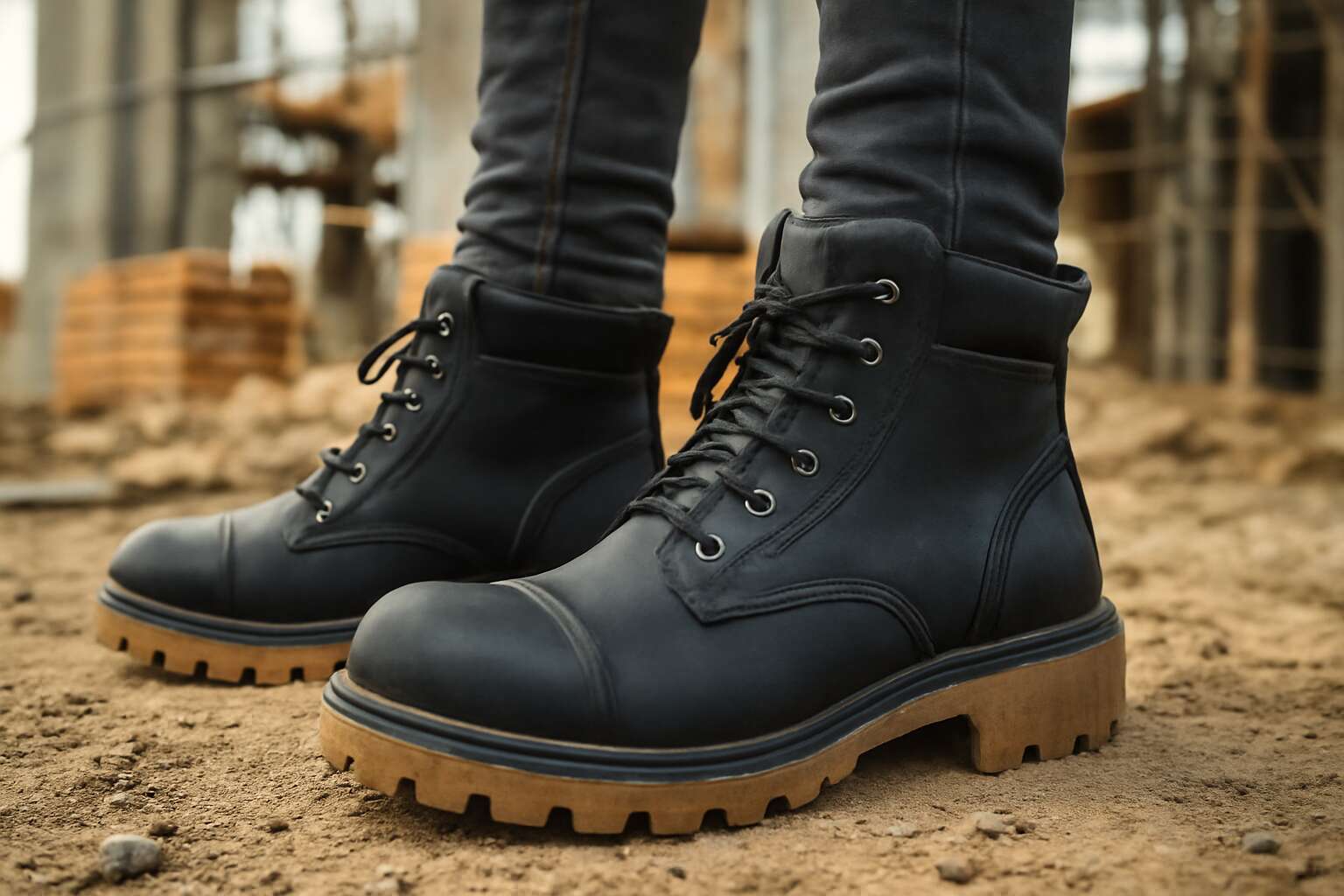
Finding the Right Safety Boots for Women
Ergonomic design tailored for female anatomy
Across South Africa’s varied work sites, footwear choice echoes beyond style—it shapes safety and stamina. For women in demanding roles, an ergonomic design tailored for female anatomy transforms fatigue into focus, and ill-fitting boots can turn a shift into a long march. When shopping for woman safety boots, fit, support, and slip resistance matter as much as durability.
- Contoured arch and heel cup for stability
- Breathable lining that prevents overheating
- Toe protection with appropriate safety class
- Flexible midsole and ankle support
- Durable outsole with slip resistance
Ultimately, the right pair aligns with the wearer’s rhythm, turning tough days into manageable ones — a quiet victory with every step, and a nod to the value of purpose-built woman safety boots.
Toe protection options: steel vs composite
Toe protection options drive the choice on South Africa’s diverse sites, and for woman safety boots, steel vs composite is more than a fashion standoff. One shields toes with brute crush resistance; the other lightens the load, keeping fatigue manageable over a long shift.
- Steel toe: unsurpassed crush resistance and long-term durability, but heavier on the foot.
- Composite toe: lighter weight, non-metallic, and often better for heat or metal detectors in certain sites.
When the rules allow, this choice shapes daily comfort and performance, especially in South Africa’s varied industries where a safe boot must protect as much as it supports. The right toe technology is less about bravado and more about staying on task with confidence.
Traction and slip resistance for diverse workplaces
Traction buys seconds—safety managers remind, and in South Africa’s sprawling job sites that truth lands with a thud. For women on the floor, the right woman safety boots do more than cover the toes—they anchor confidence on wet concrete, oily ramps, and dusty stairs across mines, ports, and factories.
Traction performance hinges on the outsole story—deep, multidirectional tread, siping grooves to channel liquids, and a resilient rubber that grips both steel and concrete without leaving marks.
- deep, multidirectional tread for stability
- siping grooves to channel liquids away
- chemical-resistant rubber for oily surfaces
Across South Africa’s industries—from Durban’s docks to Gauteng’s factories—slip resistance is tested on rain-slicked floors and dusty ramps. The right selection balances protection with comfort so long shifts stay focused, and the value of woman safety boots is measured in steadiness, not bravado.
Waterproofing and insulation for different climates
Footwear can decide a shift. “A boot that stays dry and warm keeps you on your feet,” a safety lead says. For South Africa’s varied workdays—from Durban’s humid docks to the chilly highveld factories—the right woman safety boots are more than protection; they’re confidence on rain-wet concrete and steel.
To find the right fit, assess waterproofing and climate-ready insulation. Seek a durable waterproof membrane, sealed seams, and an insulation level tuned to your environment.
- Waterproof membrane and sealed seams for rain and humidity
- Thermal insulation matched to climate with breathable lining
- Ventilation options to prevent overheating in hot SA zones
From Durban to Gauteng, the balance of dryness, warmth, and mobility defines value. Choose a boot that feels like an ally—a talisman against slip and sting, quiet on dusty stairs, steady on wet ramps, and unfailingly reliable through long shifts.
Safety Standards and Compliance for Women’s Footwear
Standards and certifications to look for
Foot protection isn’t merely a rule—it’s a frontline shield on every South African site. In demanding shifts, a single slip can redraw a day’s trajectory. For woman safety boots, compliance isn’t a badge—it’s a practical guarantee that gear fits female feet and meets robust safety expectations.
- EN 20345 tagging confirms toe protection and overall safety performance.
- CE marking or UKCA indicates compliance with essential safety requirements.
- Local assurance: SABS certification in South Africa alongside ISO 20345 alignment where offered.
Look for legible labels, testing documents, and a trusted retailer who can verify fit through real-world wear tests for woman safety boots. The right certifications tell a story of reliability—no shadows, just solid protection for every step.
Regional compliance differences (EU US UK)
Footwear compliance moves like a map of shifting borders—the right standards can cut toe injuries by as much as 70% on demanding sites. Across EU, US, and UK, regional rules shape what you can actually trust on the ground. For South African teams sourcing gear, the landscape may feel intricate, but the payoff is simple: safety that fits and functions under real pressures!
EU, US, and UK labeling diverges, but the core promise remains: robust protection that travels with you.
- EN ISO 20345 (EU): toe protection and safety performance
- ASTM F2413 (US): impact and compression resistance
- UKCA marking (UK): aligns with EN ISO 20345 for the British market
- SABS certification (South Africa) with ISO 20345 alignment where offered
Locally, South Africa’s buyers benefit from SABS certification alongside ISO 20345 alignment where offered, and from retailers who validate fit under real-world wear tests. The right certifications tell a story of reliability—no shadows, just solid protection for every step with woman safety boots.
Impact on warranty and product guarantees
Warranty on woman safety boots isn’t flashy, but it’s where trust is forged. A certification label signals the boot passed the tests that matter on real sites. ‘If it’s not certified, it’s not covered,’ a safety manager quips—hard to argue with when toe protection and sole integrity are on the line.
- Coverage duration and protected components (toe, outsole).
- Claim conditions (maintenance, proper storage, wear testing).
- Exclusions (modifications, improper use, chemical damage).
- Claims process (documentation, timeframes, submission).
In South Africa, warranties that reference recognized marks travel with you, supported by retailers who validate fit and real-world wear.
Fit, Comfort, and Support for Female Workers
Sizing guides and fit considerations for small-to-average feet
Foot fatigue writes its own ledger after a long shift—”If the boots don’t fit, the day won’t fit,” a rural craftsman once said. For South African workers, the right woman safety boots anchor a day’s toil, from dusty yards to crowded workshop floors. A good fit isn’t vanity; it’s endurance.
Sizing guides for small-to-average feet are your first ally. Measure both length and width, compare to regional charts, and remember that half sizes can matter more here than in street wear. The goal is a secure, all-day equilibrium.
- True-to-size with room for socks
- Snug heel cup for small feet
- Wear the same socks you’ll use on site
Comfort and support spring from a thoughtful insole, a stable midsole, and a snug heel. In woman safety boots, for small-to-average feet, choose a gentle toe box, breathable materials, and an ankle-hugging fit.
Break-in period and odor control
Long shifts crumble at the feet; one rural craftsman put it bluntly: ‘If the boots don’t fit, the day won’t fit.’ For South African workers, the right woman safety boots anchor a day from dusty yards to crowded workshop floors. Fit is your first ally.
Comfort and support spring from a thoughtful insole, a stable midsole, and a snug heel. A gentle break-in period helps feet settle; start with short wear sessions, then extend. Breathable materials and antimicrobial linings curb odour long after the whistle.
- Wear for 20–30 minutes on non-slip floors to ease in slowly.
- Pair with moisture-wicking socks for dry feet and arch support.
- Rotate pairs and dry insoles after shifts to avoid hotspots.
With attention to fit, comfort, and odor control, these boots stay with you through SA’s changing climates and demanding routines.
Arch support and insole customization
Feet are the unsung engines of a long shift! In SA warehouses and rural yards, properly fitted woman safety boots can cut perceived fatigue by up to a quarter, keeping concentration sharper when the whistle blows.
Fit goes beyond size—it’s a sculpted match for female feet. A snug heel, roomier forefoot, and adjustable lacing ensure no slip, no pinch, and a sense of stability that underpins every stride.
Comfort blooms with a supportive insole tailored to arch height. Arch support and customizable insoles can turn a generic boot into a personal ally, absorbing shock and guiding alignment as you move through shift after shift.
Support extends from heel counter to midsole, helping you stay balanced on uneven ground. When insoles are swapped for orthotic-ready options, woman safety boots keep delivering day after day.
Support for knee and back health
Shift fatigue isn’t fate; it’s a misfit problem. In South Africa’s warehouses, up to 40% report knee and back strain after a long haul, a telltale sign that fit matters as much as protection. The right woman safety boots cradle the foot without pinching the ankle.
Comfort blooms with a contoured footbed, breathable uppers, and an optional, orthotic-friendly insole.
- Cushioned insole aligned to arch
- Moisture-wicking lining for all-day freshness
- Flexible, energy-return midsole
Support runs from heel counter through the midsole to help your alignment stay honest on rough surfaces. With the right pair, knee and back health become less of a concern and more of a policy—steadier knees, kinder spines, and a posture you can trust through back-to-back shifts.
Breathability and thermal regulation
In South Africa’s warehouses, heat can shave hours off a shift; more than 30% of female workers report overheating from footwear that traps moisture.
Fit matters: the right cut hugs the heel, allows natural midfoot movement, and won’t pinch the ankle. When selecting woman safety boots, look for airflow-friendly uppers and adaptive linings that wick moisture away, keeping feet cooler through long hours.
- Breathable uppers with ventilation panels
- Moisture-wicking lining to keep feet dry
- Perforations or channels for steady airflow
Support underfoot and through the ankle helps maintain posture on rough surfaces. A stable midsole and secure fit reduce fatigue, letting you focus on the task at hand. With the right pair of woman safety boots, you protect more than feet—you protect the shift.
Materials, Durability, and Maintenance
Materials: leather vs synthetics
‘Comfort is safety in motion,’ a frontline supervisor once said, and in South Africa’s workdays that rings true. Leather and synthetics offer distinct edges for aging feet. Leather breathes and ages with you; synthetics stay lighter and dry quickly. The best mix blends a supple toe with a weather-ready shaft for balanced performance in varying climates. This choice shapes the experience of woman safety boots—reliable, comfortable, enduring.
Durability verdict: wear. Leather resists and can be repaired, while synthetics dry fast and resist soaking, though scuffs can appear. A blended upper often delivers the sweetest compromise.
- Leather lifespan with proper care
- Synthetic quick-dry performance
- Hybrid balance for daily demands
That blend sustains woman safety boots through shifts.
Maintenance grounds the choice in longevity. Leather rewards conditioning and occasional waterproofing, while synthetics respond to gentle cleaning and air-drying. Store boots away from heat and refresh padding to keep your woman safety boots ready for the next shift.
Sole compounds and slip resistance
A strong start: “The right sole holds a day’s safety in place,” a foreman once told me, and in South Africa’s shifting shifts that truth grips every step. I watch the grainy rubber bite into damp concrete, and for woman safety boots, the choice of sole compound and slip resistance defines confidence from the factory floor to the loading dock!
Key elements to consider in the sole and slip profile include:
- Outsole compound: rugged rubber blends for grip on wet and oily surfaces
- Lug pattern: deep channels that shed mud and evacuate water
- Non-marking tread: keeps floors pristine while delivering solid traction
Durability and maintenance go hand in hand. A sole designed for longevity resists wear, yet remains repair-friendly where possible. Gentle cleaning, air-drying, and avoiding harsh solvents help preserve slip resistance, ensuring woman safety boots stay reliable through shift after shift.
Durability testing and wear resistance
On the factory floor, a single misstep can echo through a shift. In South Africa’s sunlit and rain-washed sites, the line between safety and doubt is drawn at the sole. For woman safety boots, the material profile writes the first chapter of lasting performance.
Durability lives where seams resist strain and outsoles refuse to quit. The materials chosen withstand heat, oil, and abrasion, while every layer—lining, midsole, and tread—bears the weight of the daily grind.
- Abrasion resistance on rough surfaces
- Flex and crack resistance over cycles
- Temperature and chemical exposure tolerance
Maintenance and wear resistance go hand in hand for woman safety boots. Gentle cleaning, air-drying, and storage away from harsh solvents preserve grip and integrity, keeping these boots dependable through shift after shift.
Maintenance tips to extend life
Materials set the stage for long shifts. For woman safety boots, the blend of uppers, linings, and midsoles must balance breathability with fortress-like durability. A smart mix—sturdy synthetics or treated leather, with moisture-wicking interior—keeps feet comfortable from dawn to dusk.
Durability shows up where seams resist strain and outsoles refuse to quit. The construction teams resilience through heat, oil, and abrasion, while every layer—upper, midsole, tread—bears the daily grind without flinching, delivering trustworthy performances across South Africa’s varied sites.
Maintenance and wear resistance go hand in hand. Gentle brushing, air-drying, and storage away from solvents preserve grip and structure, letting these boots stay dependable shift after shift.
- Clean with a soft brush and mild soap, then rinse
- Air-dry away from direct sun or heat sources
- Store in a ventilated space to preserve comfort and grip

0 Comments