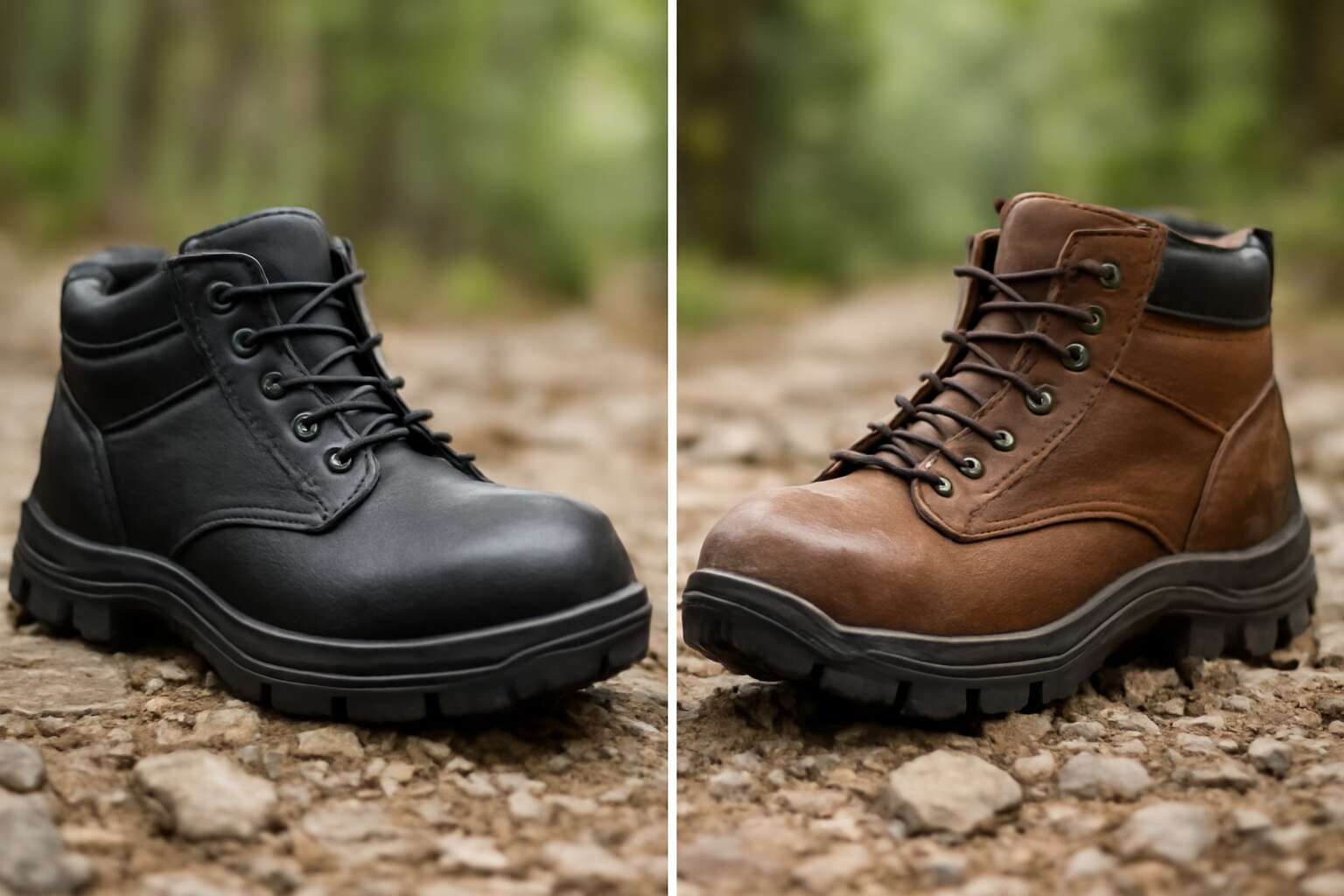
Comprehensive guide to safety footwear: work boots vs hiking boots
Core distinctions and design intent
Foot protection isn’t optional—it’s the difference between a smooth shift and a limp to the nurse’s station. In South Africa’s demanding workplaces, safety boots vs hiking boots differ where it matters: protection, support, and all-day comfort. This comprehensive guide to safety boots vs hiking boots focuses on core distinctions and design intent, helping you land on the right pair.
- Toe protection: steel or composite caps for impact resistance
- Midsole and upper: supportive materials balancing durability with comfort
- Outsole and tread: slip resistance and traction for varied SA surfaces
When choosing between safety boots vs hiking boots, weigh durability against weight, insulation against breathability, and the risk profile of your site. In SA, that means scrubby quarry mornings and sun-baked roadworks—feet deserve a partner that lasts.
Safety features and standards
Foot protection in South Africa’s demanding workplaces commands serious attention, turning a simple choice into a productivity hinge. In the debate of safety boots vs hiking boots, the right pair blends toe protection, midfoot support, and a sole that grips both scrubby quarries and sun-baked roadworks.
This comprehensive guide on safety footwear focuses on safety features and standards that separate workplace-grade boots from rugged hikers. Look for EN ISO 20345 compliance, reinforced toe caps, puncture-resistant midsoles, and slip-resistant outsoles designed for varied South African surfaces.
- Toe protection: steel or composite caps for impact resistance
- Midsole and upper: durable yet flexible for comfort
- Outsole and tread: traction on wet and loose gravel
- Electrical hazard and puncture resistance where required
Beyond features, the site risk profile—dust, heat, moisture, cold mornings—guides selection. The aim is continuity of movement and minimal fatigue, not merely meeting a label.
Comfort, fit, and performance
Comfort, fit, and performance aren’t afterthoughts on South Africa’s dusty quarries and sun-baked roadworks. In the debate of safety boots vs hiking boots, the right pair molds to your stride, supports your arches, and cushions impact without dragging your feet into fatigue. We evaluate materials that breathe under heat and adapt through a long shift, ensuring a secure heel, generous toe room, and a flexible midfoot that doesn’t betray you on uneven ground. The story isn’t about toughness alone—it’s about compatibility with the day’s terrain and tasks.
Consider these comfort-and-fit touchstones:
- Footbed and arch support that align with your natural gait
- Breathability and moisture management for muggy SA mornings
- Weight, flexibility, and the break-in period that shapes daily stamina
The choice mirrors the rhythm of the day and the terrain you greet.
Terrain, use-case scenarios, and seasonality
Footwear isn’t just gear—it’s a daily wager. On South Africa’s sun-baked sites, the right pair preserves tempo and morale, not merely protection. This comprehensive guide to safety footwear threads the needle between work boots and hiking boots, treating your feet as partners in the day’s choreography rather than afterthoughts in the toolbox.
Terrain, use-case scenarios, and seasonality sculpt the decision. The distinction between safety boots vs hiking boots becomes less about bravado and more about endurance, alignment with your stride, and the ability to sustain focus from dawn to late shift.
- Dusty quarry tracks demanding grip and ventilation
- Slippery ramps and damp concrete on changeovers
- Uneven ground on bush tracks and roadworks
- Seasonal shifts: heat, rain, and mud
Choosing the right pairing is a quiet accelerator of efficiency and a reflection of the day’s demands.
Materials, durability, and maintenance
Feet don’t lie—every shift writes its story on the soles. On South Africa’s sun-baked sites, the right footwear is less about swagger and more about tempo. This is the comprehensive guide to safety footwear: safety boots vs hiking boots, focusing on materials, durability, and maintenance.
Materials do the talking: full-grain leather for longevity, rugged synthetics for breathability, steel or composite toes for protection, and outsole compounds designed for grip. Durability hinges on stitching, waterproofing, and sole integrity; maintenance means cleaning off dust, air-drying, and occasional conditioning to keep leather supple.
Durability and maintenance go hand in hand, especially under South Africa’s dusty, scorching days and sudden rains. The right combination keeps you focused from dawn to the end of the shift, turning every step into a quieter triumph—without breaking the bank or your spine.

0 Comments