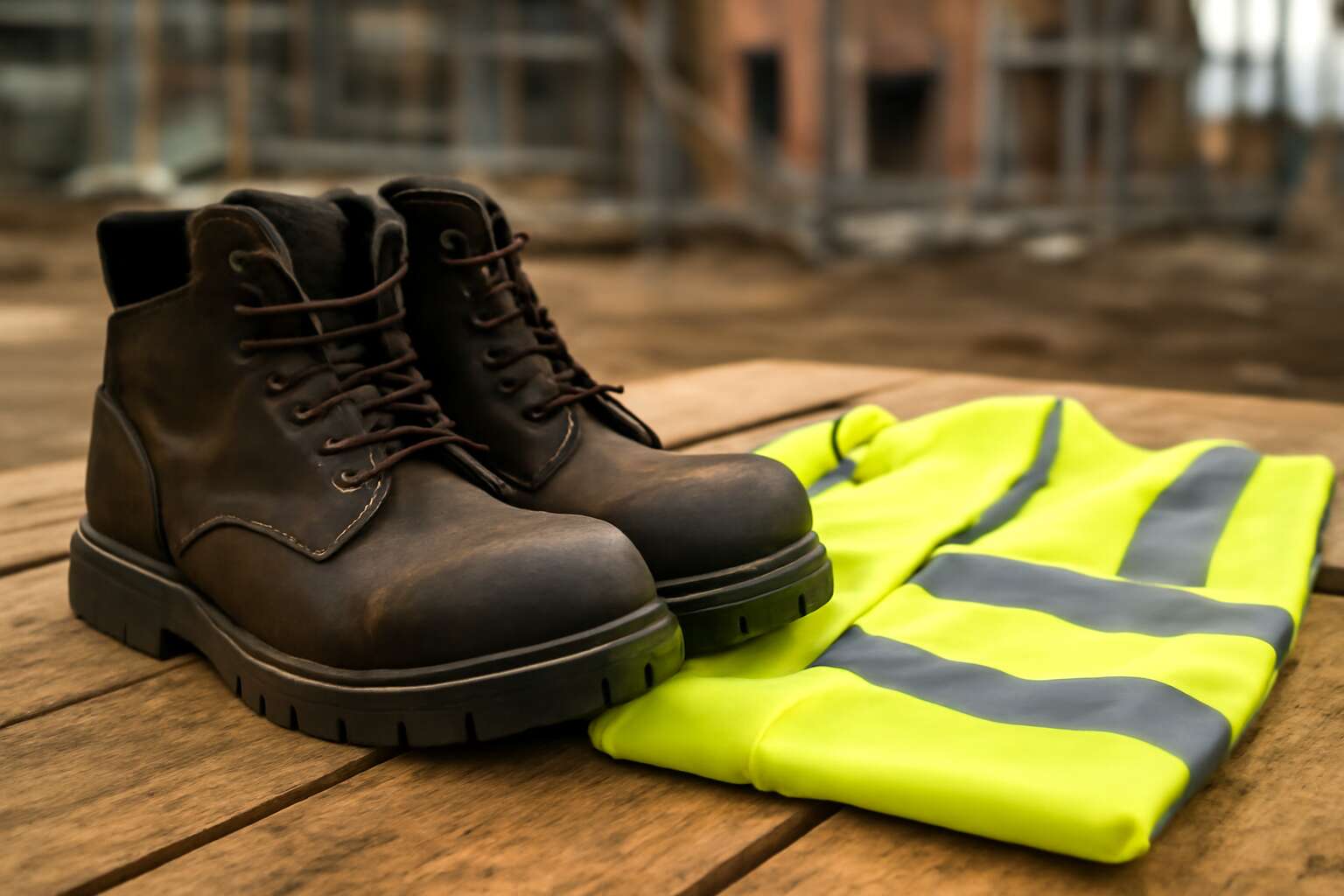
Understanding Safety Boots: Key Features and Functions
Toe Protection Options: Steel, Composite, and Alloy
Foot protection saves livelihoods—up to 70% of foot injuries could be prevented with the right gear. In a South African workshop, the toe bears the first brunt when things go wrong, and the plan is simple: protect it with reliability. Understanding safety boots and overalls means looking at fit, grip, impact resistance, and durability, all tuned to the day’s grit. This shield is quiet, steady, and empowering!
Toe protection options include steel, composite, and alloy—key elements of safety boots and overalls on South African sites. Steel toes offer maximum impact protection; composite toes are lighter and non-metallic; alloy toes strike a balance between strength and weight.
- Steel toe: strongest protection against heavy impact and compression.
- Composite toe: non-metal, lighter, and suitable near metal detectors or heat.
- Alloy toe: lighter than steel, with solid protection.
Together, these choices shape comfort and safety on the job.
Sole Design and Traction Technologies
Foot injuries cost South African workshops millions each year, a blunt reminder that safety is a currency paid with every step. Understanding safety boots and overalls begins with respect for what’s underfoot—the zone where grit meets grip and the plan holds steady!
Sole design isn’t just a label; it’s a conversation between material, tread, and task. A robust rubber outsole anchors the boot, while lug patterns channel mud and liquids. A resilient midsole cushions impact and guards the arch for the long haul.
- Slip resistance across wet and oily surfaces
- Impact-absorbing midsole with energy return
- Puncture-resistant plate against sharp debris
Technologies for traction extend beyond tread depth. Siping channels shed water, specialized rubber compounds resist heat, and geometry keeps the wearer stable on uneven work surfaces. These choices shape safety boots and overalls that speak to the worker’s balance of grit and protection.
Material Choices: Leather, Synthetics, and Waterproofing
Foot injuries cost South African workshops millions each year—an alarm bell that reminds us protection starts at the ground. Understanding safety boots and overalls means tracing factory-floor life back to the grip beneath our feet and the breath between seams. I’ve learned that you don’t buy safety by chance; you choose it through careful material decisions, engineered for daily grind, heat, and dust!
Material Choices: Leather, Synthetics, and Waterproofing give you a palette to balance durability, weight, and weather. For safety boots and overalls, the right mix translates into longer days with fewer irritations and fewer slips. Consider this quick breakdown:
- Leather: rugged, long-lasting, molds to the foot over time.
- Synthetics: lighter, breathable, quick-drying for warm days.
- Waterproofing: membranes and seals that keep water out while your feet stay comfortable.
Durability and Comfort Considerations
Work sites in South Africa demand more than compliance; they demand footing you can trust. Foot injuries cost our workshops millions each year, a stark reminder that protection starts at the ground. Understanding safety boots and overalls means looking beyond brand names to the features that actually carry a shift from risk to reliability.
Key features and functions focus on how a boot behaves under heat, dust, and pressure: durability where it matters and comfort that lasts long shifts. Consider elements that support stability, grip, and moisture management. The right mix keeps morale high while the day wears on.
Key features are easy to scan at a glance:
- Secure grip and anti-slip sole
- Breathable lining and moisture control
- Rugged uppers and stitching
Ultimately, the kit proves its value in day-to-day realities on the factory floor!
Selecting the Right Safety Boots for Your Industry
Construction and Heavy Industry Needs
On South Africa’s bustling sites, every step can count—progress or peril. “A boot that fits is a tool that never complains,” a seasoned foreman likes to remind us. This mindset guides how we choose safety boots and overalls for construction and heavy industry, turning risk into routine with every stride.
Selecting the right gear means matching your daily tasks to the environment: wet floors, dusty rooms, hot or cool sheds, and long shifts. For safety boots and overalls, comfort, fit, and reliability trump trend, ensuring you stay protected without slowing down the workflow on SA sites.
- Proper fit across sizes and widths
- Secure, easy-to-use lacing or closures
- Grippy outsole suitable for oily or wet floors
- Compatibility with PPE and overalls worn on site
Protection becomes second nature when gear feels like part of the body, not a burden you carry.
Manufacturing and Warehouse Applications
On South Africa’s bustling manufacturing and warehouse floors, a boot that fits is a tool that actually does the job. Properly chosen safety boots and overalls keep you grinding through shifts, not grinding your feet to stubs. The right pair respects long hours, concrete floors, and the occasional spill, letting you focus on the task rather than your footwear.
- Anti-fatigue insoles and arch support for all-day comfort
- Breathable linings that wick moisture in hot SA weather
- Glove-friendly closures that stay secure after a heavy lift
- Rugged construction designed to survive the daily warehouse grind
Ultimately, this gear becomes part of your routine—quietly boosting uptime and morale with every confident step.
Electrical and Chemical Hazard Scenarios
“Foot protection is not a luxury—it’s a productivity multiplier,” a safety officer often says. In electrical and chemical hazard environments, choosing the right safety boots and overalls means you’re not just meeting standards; you’re enabling steady work across shifts, from maintenance alarms to routine line checks.
Consider these critical decision points:
- Electrical Hazard (EH) rating aligned with your voltage exposure
- Chemical resistance for acids, solvents, and bases you encounter
- Chemical splash protection and internal moisture management
- Comfort and fit to maintain performance over long shifts
In South Africa’s varied industrial landscape, you need gear that stands up to heat, dust, and spills. The right combination of safety boots and overalls, chosen for your specific hazards, keeps crews moving with confidence and care—turning every footstep into productive momentum!
Fit, Sizing, and Break-In Period
Foot fatigue costs South African plants millions in downtime each year. Selecting the right safety boots and overalls starts with fit, not size alone. Look for true-to-fit sizing, half sizes, and lacing that secure the ankle. A break-in period lets leather mellow and uppers settle, reducing hotspots on long shifts in heat, dust, and spills. When comfort aligns with protection, every step becomes momentum—I’ve seen crews loosen hotspots after a patient break-in.
Key fit considerations include:
- toe box length and width that prevent pinching yet avoid slipping
- refined heel lockdown to reduce rubbing and blister formation
- moisture management through lining that keeps feet cool in hot SA environments
When you pair the right safety boots and overalls, the system feels seamless—I’ve heard crews describe the difference—supportive, breathable, and ready for back-to-back shifts across maintenance alarms and line checks in South Africa’s varied industrial landscape.
Overalls for Protection: Materials, Fit, and Features
Fabric Options: Cotton, Poly-Cotton, and Ripstop
On busy floors and open yards, the difference between risk and resilience hides in the fabric that hugs a worker’s frame. Two-thirds of on-site injuries are linked to inadequate protective wear, a sobering reminder that safety boots and overalls are not mere gear but a daily shield. When we talk about protection, the materials—especially the overalls—set the tone for the day.
Fabric Options: Cotton, Poly-Cotton, and Ripstop each bring a unique edge.
- Cotton: breathable, comfortable in warm SA climates
- Poly-Cotton: durable, easy-care, wrinkle resistant
- Ripstop: tear-resistant weave, lightweight and flexible
Beyond fabric choice, a well-cut silhouette and robust seams let workers move freely while maintaining protection. Knee-friendly pockets, reinforced cuffs, and reflective accents extend the life of the garment in South Africa’s varied climates. Together, they form a practical set that pairs with safety boots and overalls to create a cohesive, durable kit.
Reinforcements and Stitching for Durability
Two-thirds of on-site injuries stem from ill-fitting gear. Overalls designed with intent become more than fabric—a daily shield, especially when paired with safety boots and overalls.
Materials must fuse movement with resilience: breathable yet abrasion-resistant fabrics, ergonomic cuts that glide with the body’s rhythm, and reinforced seams at hinge points. Triple-stitched hems and bar-tack reinforcements anchor pockets and knees, extending life on South Africa’s varied sites!
- Integrated knee-guard pockets with reinforced edges
- Adjustable straps and contoured yoke for a secure fit
- Durable cuff protectors and reinforced hems for weather and abrasion
This is protection you can feel on every shift, a balance of breathability and bite that suits South Africa’s changing climates.
Water Resistance, Breathability, and Thermal Features
Two-thirds of on-site injuries come from ill-fitting gear, and protection that breathes can turn the tide. Overalls for Protection blend water resistance with breathability, a fabric that resists the sting of rain yet sighs with every step. The materials—lightweight cotton-poly blends with a discreet water-repellent finish—allow movement and wick away sweat, so you stay dry without chafing.
Fit is a quiet art: a contoured yoke and ergonomic seams that glide with the body’s rhythm, hugging without restraint. When worn as safety boots and overalls, the balance is uncanny: a daily shield that doesn’t betray its wearer with bulk or stiffness.
Thermal features knit into the fabric—thin insulating layers that trap warmth on chilly dawns, while perforated panels release heat on hot afternoons—keep you comfortable across South Africa’s shifting climates, the sort of protection your safety boots and overalls deserve.
Pockets and Accessibility
Two-thirds of on-site injuries trace to gear that fits like a shell—too tight here, too loose there. Overalls for Protection pair performance fabrics with movement-friendly design, a rugged cotton-poly blend finished with a discreet water-repellent coating. When worn with safety boots and overalls, the daily shield feels natural, not punitive.
Fit is a quiet art, shaped by a contoured yoke, ergonomic seams, and knee-friendly articulation that glide with the body’s rhythm. Pockets and accessibility are engineered for action:
- hammer loop and tool pockets
- two secure cargo pockets with weather-flap
- hidden inner pocket for documents or phones
Pairs of zips and gussets ease donning and accessibility without bulk.
How Boots and Overalls Work Together: Safety, Comfort, and Compliance
Visibility, Safety Colors, and Reflective Details
Safety is a lifeline, not a slogan. On South African sites, the pairing of safety boots and overalls can turn a near-miss into a confident stride!
Together they deliver safety, comfort, and compliance visibility. When worn together, these two pieces create a single language of safety; boots shield feet and ankles, overalls guard limbs, and colour and fit let teams read risk at a glance. A cohesive set communicates authority and care.
- High-visibility colour options in lime yellow or signal orange
- Reflective panels and tapes on sleeves, chest, and legs
- Contrasting seams to highlight posture and movement
In this field, the right colours and reflective details aren’t decorative; they’re moral equipment that keeps people vigilant at every rung and turn.
Layering for Climate Control
On South Africa’s busy sites, safety boots and overalls aren’t mere gear; they’re a working pact. When these two pieces move in unison, near-misses become confident strides. On many SA projects, proper PPE usage cuts injuries by up to 40%, a clear signal that the pair speaks one language of safety from the ground up.
Layering is the quiet engineer of comfort. Base fabrics wick moisture, mid-layers trap warmth without bulk, and outer shells resist wind and rain. Paired with sturdy boots, this setup keeps feet dry and movement unrestricted, while well-cut overalls angle airflow and venting for real climate control during shifts.
Together, safety boots and overalls become adaptable armour for a workforce that moves with the land and the weather. They make climate realities manageable—supportive ankles, reinforced seams, breathable layers—so compliance feels natural and work flows with the season.
Standards and Certification Checklists
Footfalls land with purpose on South Africa’s busy sites—safety boots and overalls aren’t gear, they’re a pact. In field trials, proper PPE usage has shaved injuries by up to 40%, a stark reminder that this pair speaks one language of safety.
When safety boots and overalls move in sync, protection feels effortless. Boots anchor the footing with grip and support; overalls shield and breathe, allowing free movement. Moisture-wicking layers keep the wearer comfortable, so compliance remains natural throughout the shift.
Certification checklists keep the rhythm honest—traceability, standards, and care all in one line.
- Standards and certification: EN 20345, CE marking, SA compliance details.
- Fit and inspection: toe cap integrity, seam durability, tread.
- Maintenance and documentation: cleaning, drying, warranties, replacement timelines.
Cleaning and Care Alignment
On South Africa’s busiest sites, PPE isn’t just gear; it’s a pact that saves lives. Field trials show injuries drop by up to 40% when safety boots and overalls are used correctly, a sharp reminder that protection speaks with one voice.
When safety boots and overalls move as one, safety feels effortless. Boots anchor your footing with grip and ankle support; overalls shield while breathing—allowing freedom of motion. Moisture-wicking layers keep you comfortable, so compliance stays second nature.
- Care alignment across footwear and garments
- Consistent cleaning and air-drying practices
- Clear maintenance records for traceability
For cleaning and care alignment, the pair speaks a single language: maintenance. I’ve seen crews keep pace when the footwear and garment maintenance echo each other, with simple routines that respect the site’s standards.
Together, they stand—silent sentinels that guard every step.
Buying Guide and Maintenance for Longevity
Warranty, Sizing, and Return Policies
Across South Africa’s rugged work sites, safety boots and overalls can be the difference between steady progress and costly downtime. A recent industry snapshot links PPE downtime to sizing and longevity gaps—surprising, but real.
In our Buying Guide, look for a clear longevity warranty and straightforward return policies, plus accurate sizing information. A strong plan covers repair or replacement, while transparent terms simplify decisions when the fit proves off.
- Longevity warranty scope and duration
- Sizing resources and exchange options
- Return window and conditions
Choose gear from trusted SA retailers who stand behind their products with local support and crisp documentation. Your safety gear isn’t merely equipment—it’s a guardian on the floor.
Care Routines: Cleaning, Drying, and Storage
Rugged work sites demand gear that lasts. A practical longevity routine begins with how you care for your kit—cleaning, drying, and storage. We know PPE longevity hinges on the mindset that safety boots and overalls deserve regular attention, not quick toss-aways!
- Cleaning: brush off mud, wipe with a mild detergent, and condition leather where applicable.
- Drying: air-dry away from direct heat; stuff boots with newspaper to maintain shape.
- Storage: store in a cool, dry, well-ventilated area; avoid crushing folds or stacked footwear.
In our Buying Guide, look for care-friendly materials and clear care instructions; durable construction that tolerates routine cleaning. Following these steps helps keep gear compliant with local safety standards and reduces downtime.
Inspection Routine: What to Look For
On busy South African sites, downtime costs more per shift than the price of premium gear! This Buying Guide helps you select safety boots and overalls that endure the daily grind, blending rugged resilience with practical care signals.
- Durable construction paired with clear care guidance
- Materials proven to withstand regular cleaning and harsh conditions
- Warranty and service options that keep teams moving
Longevity Inspection Routine: What to Look For focuses on the signs that a garment and boot pairing will weather long service in challenging environments. Look for a framework of signals—material integrity, balanced design, and dependable service support—that hints at enduring performance. Seek certifications, field-tested durability, and warranty terms that stand up to the demands of South African workplaces.
Choosing Ethical and Sustainable Options
In South Africa’s busiest sites, downtime costs more per shift than the price of premium gear. This Buying Guide and Maintenance for Longevity invites you to weigh ethical, durable options for safety boots and overalls that survive the daily grind while cutting waste.
Maintenance matters as much as manufacture: seek gear designed for field repair, simple cleaning routines, and replaceable components rather than disposables—gear that tells a story of durability, forged in careful hands.
To guide your selection, consider these core pillars:
- Repairable construction and modular components
- Recycled or responsibly sourced materials
- Local manufacturing and fair-trade supply chains
Choosing these options helps South African workers stay safer and greener, with warranties and service networks that keep teams moving in tough conditions. The journey to longevity begins with thoughtful sourcing.

0 Comments