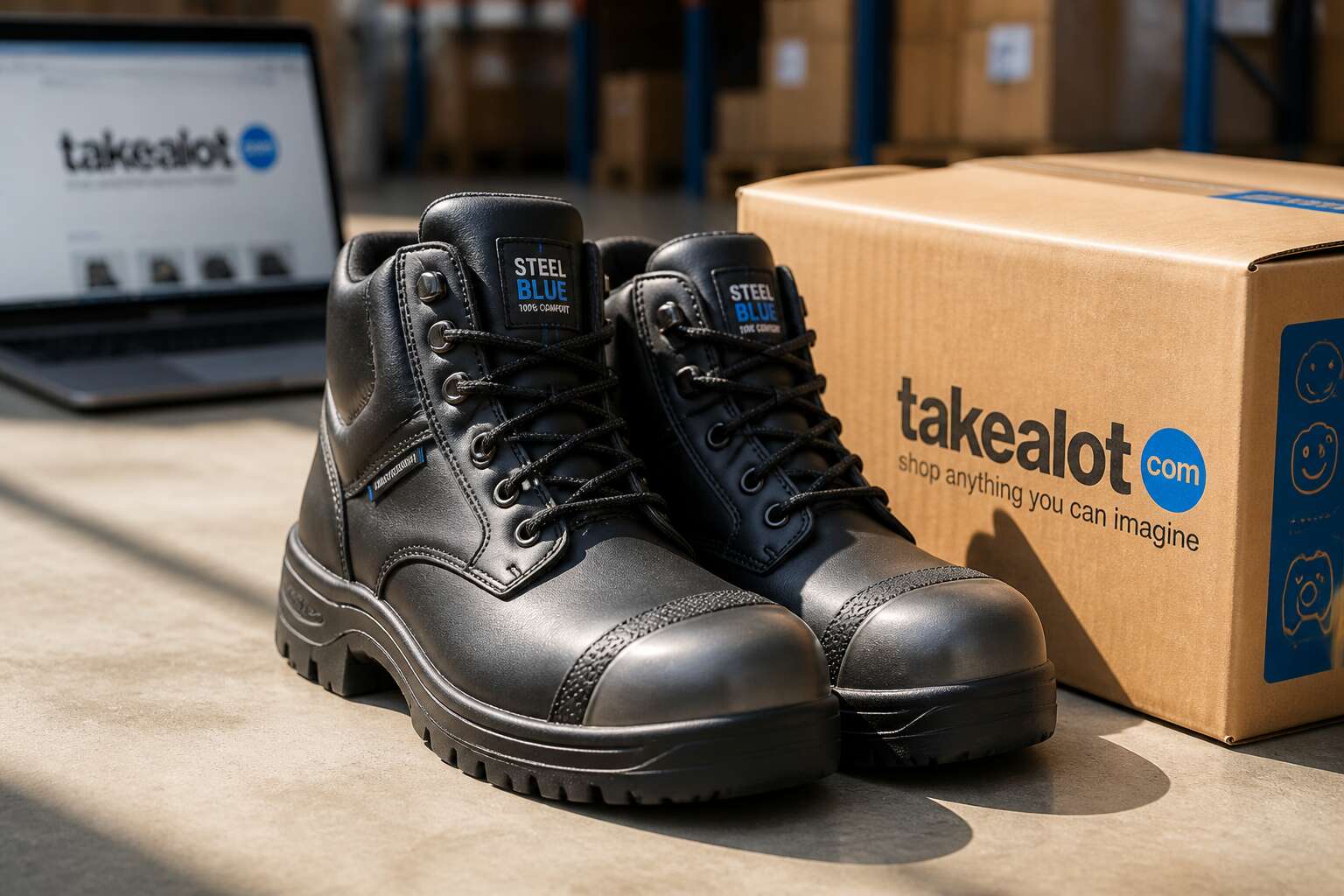
Understanding Protective Footwear Requirements
Industry Standards and Safety Ratings
Protective footwear is governed by a rigorous framework of standards that many shoppers overlook. In South Africa, the SABS mark and the international EN ISO 20345 standard determine whether a boot genuinely protects against impact, compression, and penetration. Ratings such as S1, S2, and S3 indicate varying levels of resistance to water, fuel, and other hazards.
When I browse safety boots takealot, I always check the rating before anything else. It translates directly to workplace safety. A boot with an S3 rating offers penetration resistance, water resistance, and a cleated sole, whereas an S1 rated boot lacks those features.
Common Hazards and How to Mitigate Them
Your feet are the only part of your body that spends the whole shift at ground level, where every dropped spanner, stray nail, and suspicious puddle waits for an unprotected target. Common hazards rarely announce themselves. A protruding reinforcement bar sits quietly until you back into it. Wet concrete looks harmless until you lose your footing.
Mitigation means matching the boot to the specific threat. Cleated soles handle slippery surfaces. A puncture-resistant midsole stops sharp debris from finding your arch. A reinforced toe cap absorbs the impact of things that fall faster than you can move. When I browse safety boots takealot, I compare these protective features against the hazards in my risk assessment and never let a stylish finish override practical function.
A boot is a layered system. The upper shields, the sole grips, the midsole blocks penetration. Each component earns its place or it does not belong on your foot.
Materials Used in Safety Boots
Look inside any good safety boot and the construction balances weight against resilience. Full grain leather resists abrasion but breathes poorly. Microfibre materials offer a lighter frame with respectable abrasion resistance. The midsole often contains a steel plate or a composite weave, and each choice changes how the boot performs through a long shift in the Highveld heat.
Water resistance matters, but waterproof membranes trap sweat. Ballistic nylon reinforcements add flexibility without bulk. When I browse safety boots takealot, I read the material list before I trust the brand name.
The outsole should use a nitrile or polyurethane compound. Rubber alone degrades under oil. The toe cap may be steel, aluminium, or a carbon composite:
- Steel conducts cold.
- Aluminium weighs less.
- Composite resists electricity.
Each material carries a trade-off, and the right pairing depends on the atmosphere in your workplace, a detail buried in safety boots takealot product pages.
Sizing and Fit Considerations
The boot that fits perfectly on the shelf behaves differently after eight hours on concrete. A half size up allows for sock thickness and blood flow. A half size down guarantees blisters. The toe box needs room for your toes to spread while you crouch or climb ladders. The heel should grip without slipping. When you scan safety boots takealot listings, you cannot test the fit, so bring your measurements!
Measure both feet in the afternoon, when they are at their widest. Compare the brand’s size chart against your usual shoe size. Read safety boots takealot product descriptions for fit notes.
Consider these factors before you order:
- Wear the work socks you plan to use daily.
- Stand straight, not seated, when checking length.
- Press the toe area, leave a thumb width of space.
If the page lists a size but not a width, contact the seller or read reviews for tightness comments.
Key Features to Look for in Work Boots
Toe Protection Types
The toe cap is your primary barrier against falling objects. When selecting safety boots takealot, you will likely encounter three distinct types. Steel remains the standard for heavy industry, resists impact and compression, though it conducts temperature and adds weight. Composite uses non-conductive materials for lighter wear. Alloy, often aluminium, provides a slim profile while maintaining protection. For a quick reference:
- Steel: maximum protection, heavier
- Composite: non-magnetic, lighter
- Alloy: slim fit, balanced
A metatarsal guard shields the upper foot, a region frequently neglected. I have spoken with workers who regretted skipping this feature! No single toe type excels everywhere. Matching the cap to your daily tasks is the measure of safety. This decision often separates a secure day from a disastrous one.
Slip Resistance and Sole Patterns
A workplace slip is not a minor inconvenience. It is the second leading cause of accidental death on the job. The ground beneath your feet is often slick with oil, water, or fine dust. Your sole pattern is the only thing between you and a catastrophic fall. The tread design must channel liquids away from the contact patch. Deep, self-cleaning grooves are essential for muddy terrain. Denser patterns with smaller lugs perform better on smooth concrete. Consider the specific environment of your job site before committing to a tread style.
The rubber compound matters as much as the pattern. A sole that is too hard will slide on smooth, wet surfaces. A sole that is too soft will wear down quickly on abrasive flooring. Look for a balance that offers grip without sacrificing durability. The shore hardness rating gives an indication of the sole’s resistance to indentation. Heat resistance is another factor, particularly for those working near welding stations or hot machinery. A compromised sole can delaminate under extreme conditions, leaving you exposed.
– Rubber: Superior grip and durability, heavier weight.
– Polyurethane (PU): Lightweight and flexible, but less resistant to oil and heat.
– Thermoplastic Polyurethane (TPU): Combines durability with good slip resistance and offers excellent longevity.
A secure footing allows you to focus on your task, not your balance. When you browse safety boots takealot, inspect the sole construction closely. The union between the upper and the sole must be robust, often using a direct injection or cement construction. This prevents the sole from separating during lateral movement. A stable base reduces fatigue in your legs and back over a long shift. This is where your daily comfort is won or lost.
Electrical Hazard Protection
Electricity works without warning. A frayed cord on a drill press can turn a damp floor into a live conductor within seconds. Electrical hazard (EH) protection acts as a specific barrier between your body and a current. When you search for safety boots takealot, look for the EH designation on the label.
- Dielectric outsoles that resist current passage.
- Non-conductive stitching and metal-free eyelets.
- A rubber midsole that shields your metatarsal region.
These boots prevent secondary voltage from finding a path through you. I have watched electricians trust this insulation during live panel work. The rated voltage resistance often holds at 600 V for dry environments!
Waterproofing and Breathability
A single wet sock can ruin a full shift. Spend eight hours in soaked leather and your skin will punish you for days. Yet a boot that seals out water completely creates a different problem. Trapped heat and sweat soften the skin, leading to blisters and worse. I have seen workers lose more time to wet feet than to any other issue.
Waterproofing must work alongside breathability. The membrane achieves this. It stops liquid water from entering while allowing vapour to escape. The upper material affects stiffness, but the liner determines long-term comfort.
When you search for safety boots takealot, these features control both moisture directions:
- A sealed tongue or gusset that blocks water seeping past the laces.
- A hydrophobic upper that repels water before absorption begins.
- A lining that wicks sweat away from the foot surface.
- Openings or vents that allow hot air to escape.
Denying water entry means nothing if the boot holds heat until your feet burn.
Comfort and Cushioning
Anyone who has spent a ten hour shift on concrete understands that a boot’s true worth is measured at the end of the day. Comfort and cushioning are not luxuries. They are the quiet forces that keep your knees, hips, and lower back from complaining. A quality insole should match your arch, not the other way around. The midsole, whether polyurethane or EVA, dictates how much impact your joints absorb with every step. Look for removable insoles! That simple feature lets you swap in custom orthotics when your feet demand a change. I have watched otherwise sensible workers hobble out of a shift, victims of boots that looked robust but offered tepid support. When you browse safety boots takealot and other suppliers, pay attention to overall weight. Heavier boots drain energy slowly. A well cushioned boot should feel substantial without becoming a burden on your stride.
Comparing Popular Brands for Safety Footwear
Leaders in Durability
When it comes to durability, not all safety boots takealot are the same. I have watched a cheap pair lose its heel counter within weeks, while a premium rival still cups the foot after a year of daily abuse. The difference lies in construction details, not branding. A direct injected outsole bonds better than one that is simply glued.
- Bova uses a vulcanised rubber compound that resists oil and impacts without stiffening.
- Lehigh triple stitches the upper to the sole, spreading stress across the entire forefoot.
- Ironclad reinforces the toe cap with a steel mesh that resists corrosion in wet conditions.
Choose a pair that matches your actual work environment. A warehouse lifter needs different endurance than a scaffolder. The right safety boots takealot selection will highlight which brands focus on abrasion resistance versus flex fatigue. Read the specification table carefully, and examine the outsole compound before committing.
Budget-Friendly Options
Brand prices rarely align with safety performance. The premium label does not always guarantee better protection, and the budget option is not automatically flimsy. Consider what each brand actually changes between price points:
- Bova’s economy line keeps the same sole compound but uses a thinner upper leather.
- Lehigh reserves triple stitching for mid tier models, switching to single stitching on budget pairs.
- Ironclad paints its steel toe caps on cheaper boots instead of using the corrosion resistant mesh.
Budget friendly options require closer inspection. The price difference often reflects comfort features and build quality rather than safety performance. All certified boots must meet minimum standards, so the real question is how they hold up over eighteen months of shifts.
Retailers selling safety boots takealot display customer photos and long term reviews, which reveal how soles wear and where stitching fails. I have found this feedback more reliable than product descriptions for safety boots takealot.
Style Meets Safety
Most workers will tell you that a boot’s strength is in the sole. But the upper still catches attention. Between brands, the difference is often a matter of design language. Bova keeps a squared, blunt toe that suits coal and concrete. Lehigh uses a tapered line, closer to a hiking boot, with stitched curves that gather dust. Ironclad offers a low profile, almost urban, with a painted stripe that fades against denim.
Shoppers browsing safety boots takealot often choose by silhouette before they read the rating plate. The style sets a tone on site: discreet, confident, or showy.
Consider what each brand says:
- Bova: broad and grounded.
- Lehigh: sleek and agile.
- Ironclad: sharp and urban.
These visual cues do not change the steel inside, but they change how the wearer stands.
Specialty Brands for Extreme Conditions
Choosing between Bova, Lehigh, and Ironclad is straightforward once you define the environment. Extreme conditions demand specialised builds that standard ranges rarely offer. A foundry worker needs heat-resistant soles and a metatarsal guard. A welder faces molten sparks that can destroy ordinary laces. For these roles, look for Kevlar stitching and fibre shafts.
Chemical plants present a different test. Acid and solvent resistance comes from nitrile or PVC compounds that shrug off corrosive splash. When I browse safety boots takealot, these niche lines sit at a higher price, yet the trade-off in weight and flexibility is often justified.
- Heat exposure: look for rubber soles rated above 300°C.
- Chemical exposure: choose nitrile or PVC boots with sealed seams.
- Impact zones: consider a metatarsal guard.
The right pair depends on the hazard, not the brand.
How to Shop for Safety Boots Online Effectively
Using Filters to Narrow Down Choices
With thousands of listings, finding the right pair on safety boots takealot requires a strategy. I always start with the filter sidebar before scrolling. Select your size first, then narrow by brand and price range. This eliminates most of the guesswork.
The category filters let you sort by customer ratings, which is useful when you want to compare similar models. I also use the delivery date filter to ensure my safety boots takealot purchase arrives before a big project. A short checklist helps:
- Check the seller rating and return policy
- Compare prices across different sellers
- Read verified purchase reviews for fit feedback
After filtering, you focus on the few pairs that genuinely match your work environment. That saves hours and prevents buyer’s remorse.
Reading Customer Reviews
Reading customer reviews on safety boots takealot requires a skeptical eye. I look for patterns across multiple reviews rather than fixating on a single complaint. A boot with forty seven three star ratings often tells me more than a product with five perfect scores and no written feedback.
The most revealing details hide in the language of the review. Words like “narrow” or “roomy” carry weight when they appear repeatedly. I also pay attention to how sellers respond to negative feedback. It says something about their accountability.
Here is what I scan for in every review section:
– Specific mentions of workplace conditions
– Photos from verified buyers showing wear patterns
– Comments on break-in time
These details transform a simple product page into a reliable decision tool. A clear picture of real world performance helps me avoid the disappointment of a boot that fails within weeks. The right review can save you from a wasted trip to the courier depot.
Checking Return Policies
A return policy is the quiet guardian of an online boot purchase. Before you click that button on safety boots takealot, read the fine print. Some sellers offer a generous 30 day window. Others expect you to know your size within a week.
I always check three things:
- The return window length
- Whether the boots must remain in original packaging
- Who covers the shipping fees
That last point matters more than you would think. Return shipping on heavy work boots can eat a chunk of your budget. The return policy for safety boots takealot provides is your safety net if the fit falls short. Spend two minutes verifying it now, and save yourself an awkward courier visit later.
Understanding Size Charts
Over 60% of boot returns trace back to a size chart mishap, a statistic that should make any sensible shopper pause. When you browse safety boots takealot offers, the numbered label on the box is merely a suggestion. It is not a prophecy. Your foot, that unique slab of flesh and bone, deserves better than a guess based on your sneaker size.
Size charts are the Rosetta Stone of footwear, yet most people treat them like a cryptic crossword. A European 42 does not always equal a UK 8, and a US 9 can be a completely different beast. You must measure your feet at the end of the day, when they are swollen and honest about their true dimensions. Grab a ruler, some paper, and trace that footprint like you are collecting forensic evidence.
– Place your heel against a wall and mark the longest toe
– Measure both feet, one is always the traitor
– Compare the larger measurement to the specific brand chart on the product page for safety boots takealot
Ignore the size guide and you are gambling with your metatarsals. The chart provided by each seller accounts for their unique lasts and manufacturing quirks. A boot that fits like a glove from one brand will squeeze like a vice from another. Trust the numbers, not your memory.
Leveraging Deals and Discounts
Scoring a solid deal on safety boots takealot requires a strategy, not a lucky click. Open multiple tabs and compare the price per unit of durability. A cheap boot that fails in six months is no bargain. A mid-range boot with a solid sole compound often outlasts two budget pairs.
Timing matters. Retailers refresh their stock during peak seasons. When new arrivals land, the previous batch often takes a price cut. Patience is a financial tool.
When the discounts appear, evaluate the components rather than the brand logo:
– The sole compound dictates slip resistance
– The toe cap material determines impact protection
– The stitch density reveals overall build quality
Retailers move discontinued colourways at reduced prices while the protective features remain identical. The stock levels are finite. When a size looks limited, the deal will not last.
A return policy remains the final filter. A wrong size means shipping fees. Measure your feet, consult the brand chart, and scan the seller’s policy before adding those safety boots takealot to your cart.
Maintaining and Extending the Life of Your Safety Boots
Cleaning and Storage Tips
A pair of safety boots takealot carries you through long shifts, yet few people give them the attention they deserve. Dirt, sweat, and the Highveld’s dusty winds work into every seam. After each day, give the outer shell a quick once-over with a stiff brush and lukewarm water. This simple act breaks down the grime that slowly attacks stitching and leather.
Dry your boots naturally and slowly. Keep them away from heaters and open flames, since sudden heat causes the upper to curl and the sole to pull away. Crumpled newspaper inside the shaft absorbs leftover moisture overnight.
– Remove laces and insoles before washing.
– Condition the leather every few weeks.
– Store boots upright on a shelf in a cool, dry room.
I keep a separate pair for wet days, which lets each pair dry completely between rotations. That spare pair extends the life of the main pair significantly. With this weekly rhythm, your safety boots takealot stays reliable from the first step to the last.
When to Replace Your Boots
The lifespan of a steel toe boot depends on the work you throw at it. A pair of safety boots takealot purchased for light indoor duty might last years, while the same boot on a construction site could wear out in months. Inspect three areas before each shift:
- The sole tread for smooth patches or exposed welt
- The toe cap for dents, creases, or visible metal
- The heel for uneven wear that hints at gait problems
Flex the shaft. Cracks in the leather mean waterproofing is already compromised. Press the toe area. If the protective cap shifts under your thumb, the boot no longer offers impact resistance. Listen for squeaks when you walk, which often signals midsole breakdown.
Some workers track hours worn. Others replace the boots when the outsole loses its grip pattern or the upper separates from the sole. Both approaches work, as long as you inspect regularly.
Simple Repairs and Resoling
Your safety boots takealot purchase should be seen as an investment. A worn heel can be replaced by a cobbler for a fraction of the boot’s price. Same goes for a split sole. Many workers toss boots too soon.
Simple repairs at home include replacing laces and applying adhesive to minor sole separations. For structural issues, visit a professional. Resoling extends life significantly. A Goodyear welt construction allows repeated resoles.
- Check stitching for loose threads before they unravel
- Treat small cuts with flexible rubber sealant
- Replace insoles before they wear thin
Rubber soles bond well with polyurethane cement. Leather uppers respond to conditioning. The cost of resoling averages half of a new pair. That math makes sense when safety boots takealot prices climb. A boot that fits well is worth saving.
Warranty and After-Sales Support
Anyone who has filed a warranty claim knows the drill: find the receipt, photograph the damage, and brace for a conversation that oscillates between polite and hostile. A warranty is a promise written in legalese, and decoding it tests your patience. Still, knowing what your safety boots takealot purchase covers is the difference between a free replacement and a bitter lecture on ‘normal wear and tear.’
South African consumer law backs you up. The Consumer Protection Act requires sellers to repair, replace, or refund defective goods. Takealot’s after-sales support routes you through the seller, which works fine when the seller responds to messages. Some do. Others treat support inboxes as suggestion boxes.
Some warranties cover manufacturing defects only, leaving sole separation and eyelet failure in a grey zone. Boots that fail at the seams within months are defective, not worn out. That distinction matters.



0 Comments