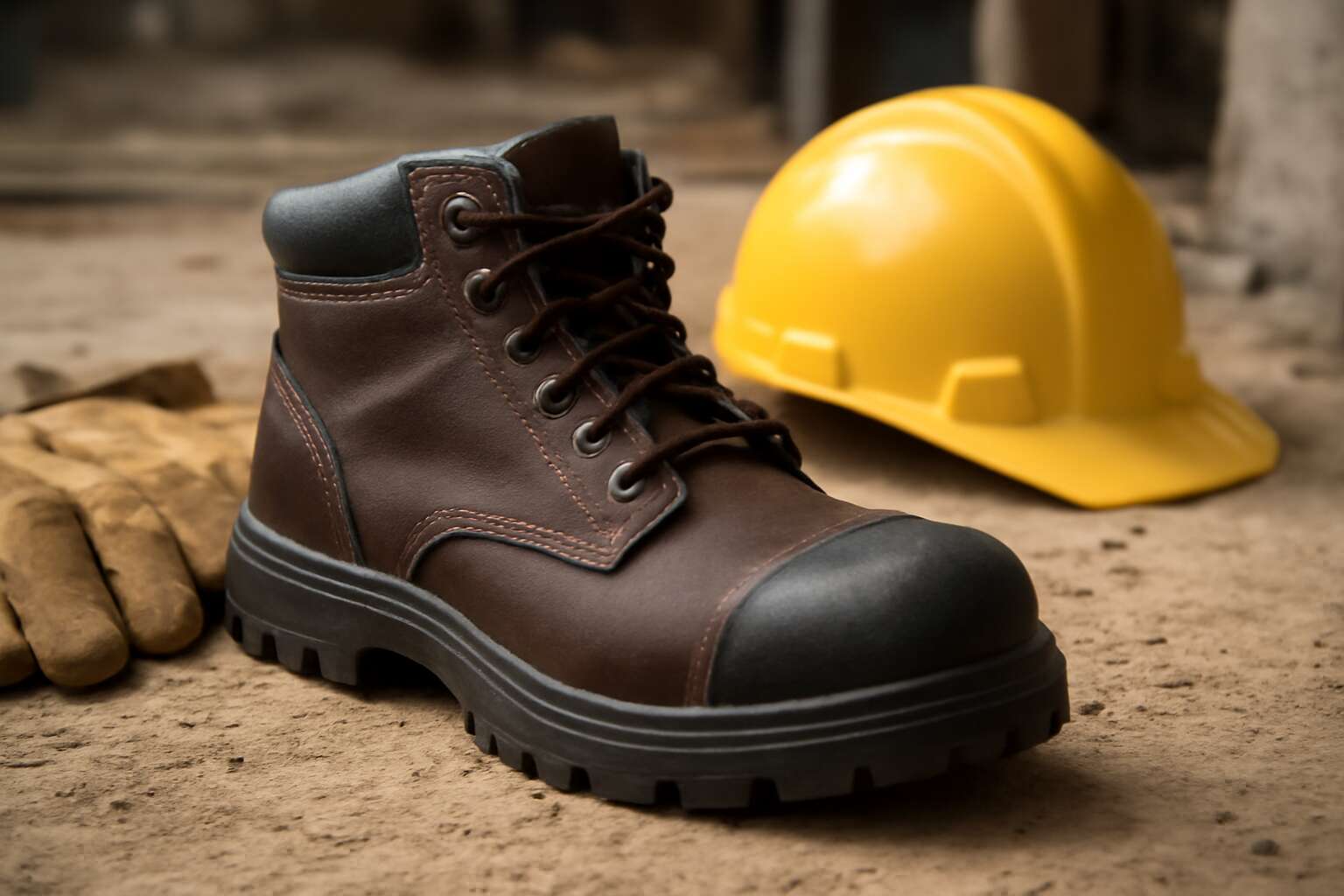
Industry Standards and Compliance for Safety Boots
Global and regional safety standards
A surprising stat anchors this topic: up to 60% of foot injuries are tied to improper PPE and lapses in safety boots requirements. Global and regional standards decide toe caps, slip resistance, and other performance realities for the boot you actually trust on site.
Key benchmarks you’ll encounter across markets include:
- EN ISO 20345 – Europe (and UK): basic safety footwear with required impact and compression resistance
- ASTM F2413 – United States and Canada: performance criteria for impact, compression, and electrical hazards
- CSA Z195 – Canada: protective footwear with designated symbols and testing
- SANS 347 – South Africa: local standard aligning with regional safety expectations
In South Africa, compliance isn’t ceremonial—it’s practical, shaping procurement and training. I’ve seen teams boost morale when the workforce trusts the boots on their feet; that trust is built where safety boots requirements meet on-site realities.
Understanding EN ASTM ISO classifications
Factories awaken with a whispered covenant—what the boots carry translates to life or loss. Understanding the EN ASTM ISO classifications isn’t dry doctrine; it’s the compass for safety boots requirements. EN ISO 20345 flags basic safety features and toe protection; ASTM F2413 codifies performance for impact, compression, and electrical hazards; ISO labelling threads a global needle, hinting at consistent test methods and reliability across borders. In South Africa, this system threads into procurement and training, shaping the shadows of the workday.
On the shop floor, branding becomes permission to trust the feet. See tags that reveal the spectrum of protection:
- Toe cap integrity and energy absorption
- Electrical hazard and slip-resistance ratings
- Puncture and anti-static design features
Certification labels and what they signify
Footwear on South Africa’s floors is a quiet vow worn on leather. Certification labels are the ink that turns risk into trust, guiding safety boots requirements from supplier to site. A seasoned fitter once murmured, ‘labels are our daily compass, pointing us toward reliability.’ These marks reveal who tested the boot, the scope of the assessment, and the region in which the badge is recognized—so procurement and training roll forward with confidence, not guesswork.
- The issuing body and the standard under which the boot was evaluated
- Traceability details—batch numbers and testing dates that support post-purchase service
- Regional applicability and any recertification considerations that affect use on South African worksites
On the floor, a tag is more than a sticker; it is a story of durability and care, inviting workers to step with purpose.
Legal requirements for workplace safety footwear
Footwear on South Africa’s floors is a quiet vow stitched in leather, promising every step is shielded. A seasoned fitter once murmured, “labels are our daily compass,” and safety boots requirements become a trustworthy map through the day.
Industry standards and compliance anchor legal requirements for workplace safety footwear. Here in SA, employers align with the Occupational Health and Safety Act and rely on SANS and SABS certifications to ensure fit, protection, and durability. The badge on each pair tells a region-specific story of testing and reliability.
- Occupational Health and Safety Act provisions for PPE.
- SANS/SABS certification and regional standardization.
- Employer responsibilities to provide, maintain and train on PPE.
These laws become a loom on which every colleague steps, turning risk into routine.
Choosing Safety Boots by Application
Assessing workplace hazards and risk levels
Boot types by protection level: toe caps, metatarsal, puncture resistance
Foot injuries shave millions off SA industries annually, making proper footwear a strategic investment. When choosing footwear, the decision hinges as much on application as protection. The safety boots requirements should guide choices from the factory floor to field sites, not merely fashion or price.
Boot types by protection level help match tasks with risk.
- Toe caps: provide crush protection for toes under heavy loads.
- Metatarsal protection: shields the upper foot from impact and compression.
- Puncture resistance: soles deter sharp objects that threaten penetration.
Across South Africa’s varied workplaces, the right blend of protection and comfort matters. By aligning boots with the specific task—be it dry workshops, damp floors, or rugged terrain—teams stay safer and more productive.
Environment-based selection: electrical, chemical, heat, water, and slip resistance
Foot injuries shave millions off SA industries annually, and these safety boots requirements keep the drama off the daily news. Footwear that matches a task—not a trend—wins on the factory floor and at rugged field sites.
Environment-based selection covers electrical, chemical, heat, water, and slip resistance, each shaping sole and upper decisions.
- Electrical: boots with graded insulation and non-conductive components for safe, static-free work.
- Chemical: chemical-resistant uppers and liners to fend off solvents and caustics.
- Heat: heat-resistant outsoles and heat-tolerant uppers for hot processes.
- Water: waterproof, breathable fabrics to keep feet dry without soggy socks.
- Slip resistance: specially treaded soles with SRC or equivalent for slick floors.
Because hazards vary with climate and workflow, the right boot is less about brand and more about fit to risk.
Boot Construction and Materials
Materials used in safety boots: leather, synthetics, and composites
Foot protection is not a garnish; it is the main course of workplace safety. In South Africa’s mines, ports, and workshops, a boot’s construction quietly signs off on a safer day. A veteran foreman once quipped that a good boot is a bargain you pay upfront—the hospital bill arrives later.
- Leather: full-grain durability, moisture management, and enduring character.
- Synthetics: lighter weight, quicker drying, and reliable resilience.
- Composites: non-metallic toe protection, reduced weight, and airport-friendly flexibility.
Boot construction rests on three material families: leather, synthetics, and composites.
Each option shapes safety boots requirements by pairing protection with day-long comfort.
In practice, the SA workplaces demands materials that breathe with the heat and endure the dust. Leather exudes rugged charity, synthetics bring nimble practicality, and composites offer discreet, modern protection—all aligning with the theatre of daily work.
Toe cap options: steel, composite, aluminum
Toe caps anchor the protection story, balancing impact resistance with all-day ease. Steel remains the steadfast standard, offering unyielding durability for harsh environments; composites deliver lighter, nimble protection; aluminum brings remarkable lightness for long shifts under heat and dust. Each choice alters the boot’s rhythm, trading raw rigidity for comfort where it matters most.
- Steel
- Composite
- Aluminum
In practice, this matters for safety boots requirements—weight, breathability, and fatigue resistance all hinge on the toe cap. The right option keeps pace with daily toil, letting feet endure the long hours across SA mines and workshops while preserving form and function.
Sole construction and slip resistance technologies
Footwear is the last line of defense on tough South African sites, and the stakes are high. Meet the safety boots requirements—a foreman reminds us that a single misstep stays in the toolbox rather than under your feet.
Boot construction and sole materials shape weight, comfort, and grip. On site, I’ve watched fatigue melt away when a rubber outsole meets a PU midsole, delivering durable traction. EVA cushions reduce fatigue over long shifts. Slip resistance technologies rely on tread patterns and rubber compounds that bite into dusty floors.
- rugged tread depth for stability on uneven surfaces
- siped channels to evacuate moisture and dew
- abrasion-resistant outsole compounds to outlast daily wear
From heat and dust to wet mazes, the right sole design helps feet endure the day with less strain and more confidence in South Africa’s demanding work environments.
Waterproofing, breathability, and insulation
Across South Africa’s rugged sites, workers spend long hours on their feet, and every step matters. The right boot ties waterproofing, breathability, and insulation into one reliable package. A well-sewn upper with a moisture barrier keeps wet out, while thoughtful insulation guards against chill on early mornings and heat through long afternoons. All of this supports safety boots requirements across demanding SA environments.
- Waterproof membranes that seal out moisture and dew
- Breathable uppers that wick perspiration away from the skin
- Strategic insulation that stays comfortable across shifts
On the ground, I’ve watched workers move through mud and sun. A boot that breathes and fits snugly reduces fatigue and keeps morale high after hours on the go. Material choices—waterproof leather or synthetic uppers, plus efficient insulation—shape day-to-day comfort without compromising safety.
Durability and maintenance considerations
Across South Africa’s rugged sites, boot construction is the quiet guardian of long shifts. A sturdy upper with reinforced seams, a confident shank, and a grippy outsole speak volumes about safety boots requirements. When stitching holds against mud, and the boot keeps its shape from dawn frost to midday heat, fatigue recedes and focus stays sharp.
- Stitching quality and reinforcement at toe and midfoot
- Midsole and shank design for fatigue resistance
- Outsole tread and adhesion for grip on varied surfaces
- Uppers and linings that resist scuffs, oils, and abrasion
Durability is built, not bought. Maintenance matters: after each shift, wipe off mud, air-dry away from direct heat, condition leather when needed, inspect stitching and eyelets, and replace worn components before they compromise safety.
Fit, Comfort, and Compliance Management
Sizing, fit, and ergonomic features
On South African sites, the right fit turns protective gear into a trusted companion. Safety boots requirements aren’t just about protection—they shape endurance on long shifts, keeping fatigue at bay and downtime down. A well-fitted boot guides every step with quiet confidence.
Fit and sizing matter more than style. From lacing systems to an accommodating toe box, proper sizing supports natural stride without pinching. A footprint aligns with arch and heel, reducing slippage and promoting ergonomic balance.
- Ergonomic toe box to reduce forefoot pressure
- Secure heel cup and ankle support
- Contoured insole with moisture management
Comfort comes from cushioning that breathes. Lightweight uppers and moisture-wicking linings keep feet cool and fatigue low, while a balanced outsole absorbs shocks so each step feels natural—an essential aspect of safety boots requirements in dynamic environments.
Compliance management sizing supports traceable fit testing and consistent records, ensuring teams meet regulatory expectations without sacrificing comfort. When procurement aligns with ergonomic features, audits are straightforward, and every worker stands steadier on the floor.
Break-in period and comfort enhancements
Fit remains the quiet engine of safety boots requirements. The break-in period is where comfort earns its keep, and a boot that feels right today will feel effortless after a few miles. On South African sites, gnawing toe pressure or a slip-prone heel can derail a shift. A thoughtful break-in lets the foot settle, turning protective gear into trusted armor.
- Contoured insole with moisture management
- Secure heel cup and ankle support
- Lightweight uppers with breathable linings
Comfort comes from cushioning, moisture management, and breathability. The right combination reduces fatigue over long shifts and keeps focus sharp.
A balanced outsole and secure midfoot support complete the comfort picture.
Compliance management turns fit into accountable practice. Traceable fit testing and tidy maintenance records keep audits straightforward, ensuring teams stay aligned with safety standards without sacrificing comfort.
Comfort and maintenance practices to extend life and stay compliant
“Comfort is safety in motion,” a motto heard on rural SA job sites as boots clock miles. In safety boots requirements, fit, comfort, and compliance are the quiet gears turning through a long shift. A boot that hugs the foot today will be a trusted companion after many kilometres, especially on tough South African terrain where mud and heat test every seam.
Fit supports stance, comfort cushions the walk, and compliance keeps records clear. A well-balanced approach blends:
- Contoured insole with moisture management
- Secure heel cup and ankle support
- Lightweight uppers with breathable linings
Maintenance completes the cycle—regular cleaning, proper drying, and scheduled inspections extend life and help audits stay smooth, turning everyday wear into dependable armor.

0 Comments