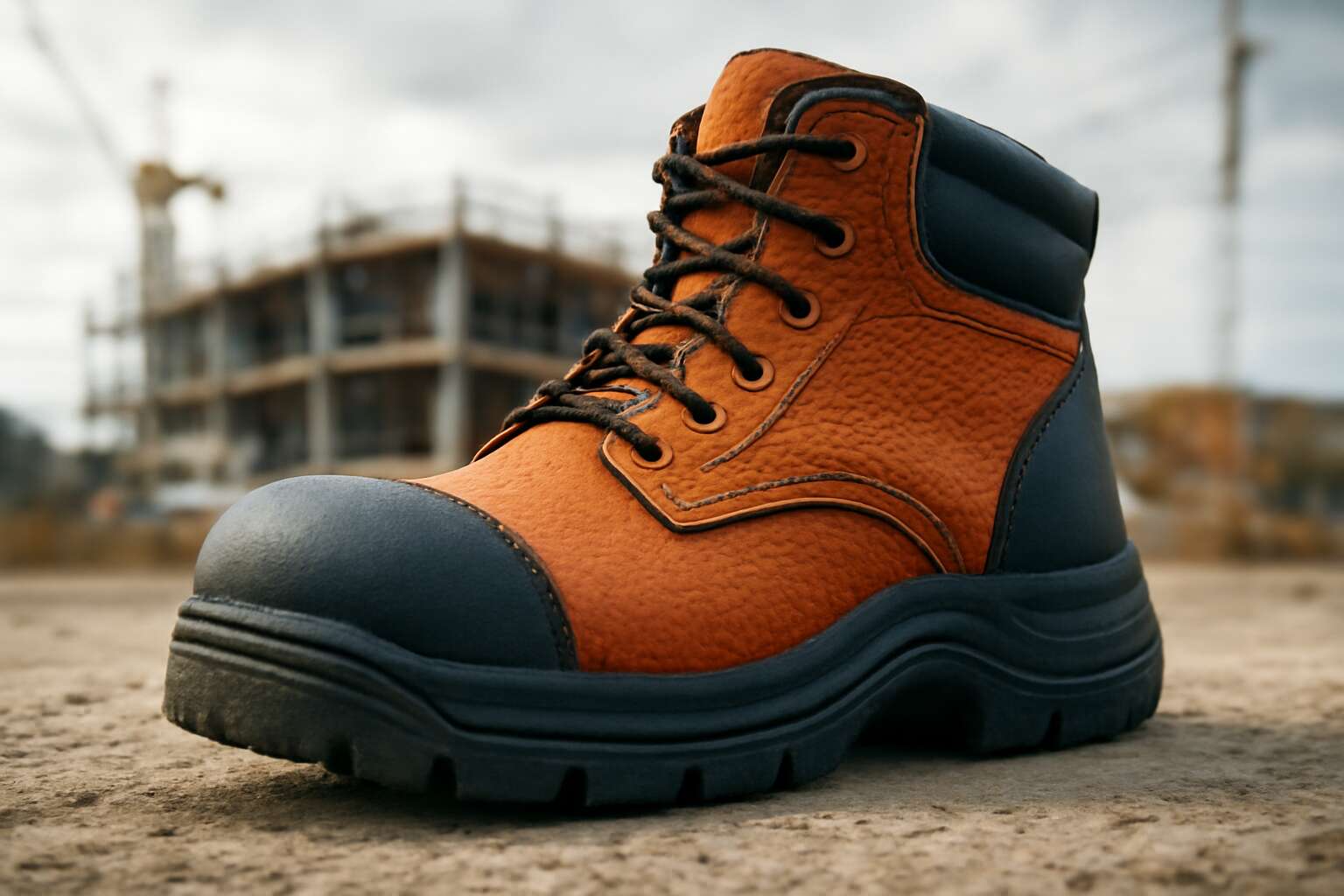
Choosing safety footwear for industrial work
Understanding toe caps and protective features
Footwork deserves a standing ovation in the rigours of SA industry. In SA mines and mills, the cost of a single misstep can outweigh a week’s wage. Footwear with a stout toe and steadfast protection speaks louder than any oath on site. “A sturdy toe cap today prevents a hospital visit tomorrow,” notes a safety officer.
Choosing safety footwear for industrial work hinges on toe caps, midsole protection, and outsole grip. Toe caps come in steel, composite, and alloy—each balancing weight and protection. The midsole shields against punctures; the outsole fights slips.
- Toe cap types: steel, composite, alloy
- Midsole puncture resistance
- Slip‑resistant outsole
These elements shape safety boots use on the job.
Choosing the right safety standard (EN, ASTM, CE)
South Africa’s grueling plant floors demand more than grit; they demand a standard you can trust. The right safety standard isn’t filler; it translates into fewer stoppages, steadier shifts, and fewer hospital stories when the whistle blows. When you consider safety boots use, you’re choosing a shield for the day’s work, not a fashion statement for the weekend.
- EN ISO 20345 (Europe) — the European benchmark for safety footwear.
- ASTM F2413 (United States) — performance criteria for impact, compression, and puncture resistance.
- CE marking — testament to EU conformity under PPE rules, often guiding international procurement.
For South African sites, the sensible path blends these standards with local risk assessments, ensuring footwear chosen aligns with both on-site realities and supply chains. The choice shapes how safety boots use each shift—reliable, predictable, and quietly formidable.
Fit, comfort, and sizing considerations
On South Africa’s heavy-plant floors, 12% of downtime is tied to footwear that doesn’t fit the day. A stubborn boot can steal momentum before coffee even cools; yet the right fit turns each step into a quiet rhythm of safety and endurance.
In the realm of safety boots use, fit hinges on overall comfort and sizing. Foot shape, width, and arch support weave a story that off-the-shelf sizes rarely tell. Materials that breathe, cushioned comfort, and a heel that holds its line—these are the subtle poets of safety boots use, shaping how a worker carries weight through long shifts.
- Foot width and volume
- Arch support and midsole alignment
- Grip and sole flexibility for varied surfaces
When the head and heart align with your boots, every step becomes a measured, confident march across concrete and steel.
Grip, sole types, and slip resistance
On South Africa’s factory floors, grip is more than traction—12% of downtime is tied to footwear missteps. Even a moment of skidding can rewrite a day in dust and glare. In the realm of safety boots use, the outsole is your first ally—choose one that bites wet concrete and resists oil, yet stays gentle on interior surfaces.
- Outsole material: rubber for wet conditions, polyurethane for durability
- Tread pattern: deep, self-cleaning lugs to shed debris
- Slip-resistance testing: ensure ratings on dry and wet surfaces
- Additional traits: heat resistance, oil resistance, and non-marking soles
Grip and sole types form a practical duet. I notice the difference when the grip bites and the pace remains steady across concrete and steel. A well-chosen sole with strong slip resistance keeps momentum through spills and grease, letting the wearer move with quiet assurance on busy floors.
Key safety standards and compliance
Impact resistance and compression for toe protection
In South Africa’s bustling workshops, the footprint of safety boots use is a quiet guardian. A compelling stat finds that as much as 60% of foot injuries could be prevented with proper toe protection and thoughtful design.
Impact resistance and compression for toe protection lie at the heart of the craft. Toe caps must endure falling force without crumpling, while compression testing reveals how energy is spread rather than concentrated at a single point. Three pillars shape this magic:
- Material strength that resists cracking and denting
- Geometric design that redirects impact away from the toes
- Energy dispersion to soften shocks through the sole
When these elements align with robust manufacturing controls, compliance becomes a natural outcome—proof that safety boots use can be trusted daily, on site and off, as courage travels in the stride.
Electrical and chemical protection specs
In safety boots use on South Africa’s workshop floors, standards are the quiet backbone of daily courage. A stark 60% of foot injuries could be prevented with proper toe protection and thoughtful design—the kind of protection that compliance makes inevitable!
Key safety standards and electrical protection specs include:
- EN 20345 baseline safety footwear with protective toe
- Electrical Hazard (EH) rating for dry environments
- Antistatic (A) and energy absorption (E) features
- Slip resistance rated as SR or SRC
- Chemical resistance notes via compatible materials and data sheets
These elements translate into verifiable compliance that threads through supplier certifications and daily on-site practice.
Markings and certification verification tips
In South Africa’s bustling workshops, a stamped safety boot mark can be the difference between a close call and a clean shift. The visible alphabet of standards—EN 20345, EH, A, E, SR or SRC, plus chemical data sheets—functions as verifiable armor, not empty promise. Understanding safety boots use begins with reading labels and tracing the certification trail on every pair.
Here are verification cues that keep the conversation honest:
- Label alignment: EN 20345 + EH (for dry environments) plus A/E/SR indicators
- Certification marks: SABS or local standards, where applicable
- Documentation: data sheets and supplier certificates for chemical resistance and electrical protection
When those marks align with the floor, the walk becomes confident, almost ceremonial.
Materials, construction, and durability
Upper materials and weather resistance
A surprising truth drives every South African worksite: safety boots use hinges on material mastery and rugged construction. When the wrong upper lets in grit or rain, footing falters and the day grows heavier. Strong upper materials and weather resistance act as the quiet backbone of reliable protection—almost like a silent guardian on the floor.
Key materials and build cues to look for show up in the upper and seams:
- Full-grain leather for abrasion resistance and longevity
- Weatherproof textiles and sealed membranes for rain and dust
- Tight, reinforced seams to keep moisture out and strength in
Construction matters too. Goodyear welt and sturdy midsole reinforcement add durability, while durable outsoles grip gritty surfaces. For safety boots use, these choices translate to longer life and consistent protection on tough sites.
Midsole and outsole technologies
Materials that survive a SA shift aren’t glamorous; they’re stubborn. In safety boots use situations, engineered uppers blend abrasion-resistant synthetics with flexible membranes to shrug off dust and drizzle, while a resilient mid-layer defies compression. As a foreman once quipped, “If your boots squeak, your day sticks”—and that squeak is exactly what you want to avoid!
Construction precision matters as much as the material itself. Direct-injected or stitched builds fuse upper and sole for longevity, while an internal shank and reinforced seams keep shape under load.
- Direct injection for seamless durability
- Stitched-down for flexibility
- Internal shank for arch support
Durability comes from midsole/outsole tech. Expect dual-density foams, rugged rubber compounds, and tread that bites on gravel. With well-designed lug patterns, you get reliable grip that lasts through weeks of South African grit!
Lining, insulation, and moisture management
“Materials matter more than fashion in the boot world.” For safety boots use, the lining should tame sweat without stifling movement. A breathable internal mesh paired with a moisture-wicking layer keeps feet cooler on long South African shifts and shrugging off dust and drizzle that love to linger inside toe caps.
Insulation isn’t just for winter; it hums in the early morning chill and helps stingy heat stay where it belongs—the foot. A sealed interior reduces odour and dermatitis, while a breathable waterproof membrane blocks rain and wind without turning the boot into a sauna. Loyal construction quietly fuses lining, insole, and upper so you stay flexible under load.
Inside features to prioritise:
- Moisture-management liners that wick away sweat
- Thermal or lightweight insulation options for changing SA climates
- Waterproof yet breathable membranes that keep drizzle out
- Durable, sealed seams that resist dust and grit
Durability and care tips
Two out of five workplace foot injuries in South Africa start at the toes—a punchy truth that makes you think twice before lacing up. Materials outrun fashion for safety boots use.
Upper materials like full-grain leather or rugged synthetics shrug off dust and heat while staying pliant for long shifts on harsh sites. They resist scuffs and shed water where needed, keeping you moving rather than stuck in damp feet.
Construction matters: triple-stitched seams, reinforced toe zones, and a balanced midsole pair with a durable outsole. Sealed joints keep grit out, letting you stride from dusty ramps to wet zones without a second thought.
Care and longevity considerations:
- Regular inspections for wear and tear
- Periodic maintenance to preserve suppleness
- Proper storage away from extreme heat
- Rotation of pairs to even wear
Maintenance, inspection, and safety practices
Pre-shift inspection checklist
Across fields and workshops, a single misstep can echo for days. A recent industry stat shows imprudent footwear accounts for nearly a third of site injuries, underscoring how essential safety boots use is to every shift.
Maintenance isn’t glamorous, but it’s daily thrift that saves hands and backs. Clean, air, and dry boots to stave off moisture, inspect for loose stitching, and keep laces tidy—these quiet rituals keep your kit dependable.
A simple pre-shift inspection checklist keeps you in touch with your gear.
- Outer material condition and stitching
- Sole tread wear and delamination
- Laces, eyelets, and secure fastening
- Moisture buildup in the lining or toe area
In rural dawns, these rituals are quiet prayers for safety, a reminder that care for what carries you sustains both work and family.
Cleaning and storage best practices
Across South Africa’s bustling sites, a sobering statistic lingers: nearly one in three injuries traces back to footwear mishaps. Embracing safety boots use is more than routine—it’s a daily vow to stand, not stumble, through dust and danger.
Maintenance isn’t glamorous, yet it keeps momentum intact. Clean with a soft brush, air, and dry the boots; moisture harbors rot in lining and stitching. Inspect seams for looseness and keep laces tidy, so the fit remains faithful.
Stored correctly in a cool, dry corner away from sun, they resist the test of seasons and time, quietly safeguarding every stride on the job.
Rotation and replacement guidelines
Across South Africa’s sites, nearly one in three injuries trace back to footwear mishaps. This is why safety boots use is more than a routine—it’s a daily vow to stand through dust and danger.
Maintenance is steady, not glamorous, but it keeps momentum intact: watch for signs of wear, assess seams for looseness, and keep laces tidy so the fit stays faithful.
Rotation and replacement guidelines matter for safety boots use. When boots show obvious wear—flattened tread, creasing, or a loss of support—the prudent choice is to cycle pairs and plan for a timely replacement. That approach supports consistent protection on uneven ground.
On the farm or on a coastal yard, these practices translate into quieter days and firmer steps. The aim is simple: let gear stay ready so every stride carries safety through the long hours and rough weather.
Repair vs replacement decisions
South Africa’s rugged job sites remind us that footwear failure costs time, dollars, and safety. In the realm of safety boots use, small signs of wear promise big consequences; maintenance is a daily vow to stay steady through dust and danger.
Maintenance is steady, not glamorous, yet it keeps momentum. Regular inspection and tidy laces help the fit stay faithful.
- Wear signals: flattened tread, cracks, or creasing that compromise support
- Seam integrity and lacing: ensure snugness, not slack
- Storage and moisture control: protect against rust and mould
When obvious wear appears, the repair versus replacement decision becomes a quiet judgment call: cost, downtime, and protection level. Cycle pairs if feasible; plan timely replacement to preserve consistent protection on uneven ground, in farm and coastal yards as weather tests the stride.
Common wear patterns and what they indicate
On rough South African sites, a single worn boot can derail a shift. Small signs reveal the truth about safety boots use — read the shoe, read the day. A practical routine buys time and keeps momentum steady through dust and danger.
Maintenance is practical, not glamorous. A quick wipe, dry storage, and tidy laces keep the fit steady. Regular inspection catches comfort killers before they become failure points, and the subtle clues—creasing, loose stitching, or a thinning tread—tell the story quietly.
Common wear patterns and what they indicate:
- Flattened tread or bald patches signal reduced grip on dusty or damp surfaces
- Cracks or creasing in the upper or midsole point to fatigue and diminished protection
- Sole separation or loose seams warn that the boot may fail under load
These cues help you pace maintenance with the job, ensuring safety boots use stay dependable on uneven ground across yards and fields.


0 Comments